Skills that Students Should Learn in 2026
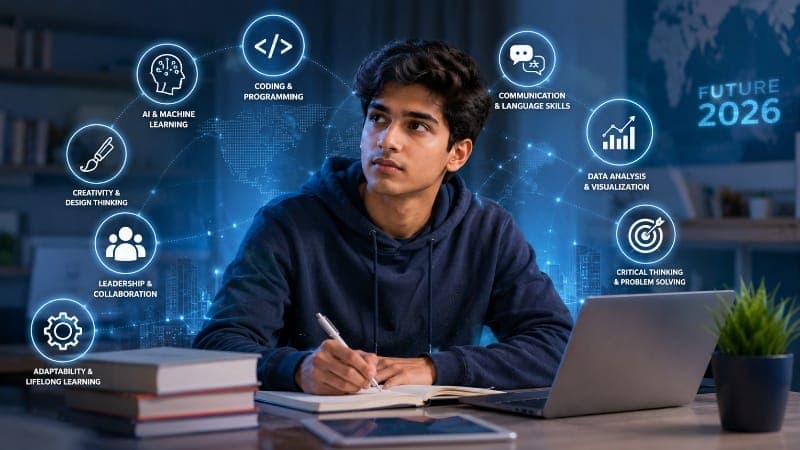
The world of employment is changing. Technological advances, development of new industries, and evolving workplace conditions create many new opportunities that did not exist just a few years ago. not only study hard to earn decent grades but also try to gain useful skills that can increase their competitiveness.
Digital Literacy
At present, being digitally literate means having basic knowledge of technology. Communication, collaborations, project management, and data analysis rely much on using various software products and technologies.
Thus, students who are willing to develop digital literacy should try getting used to technology-based solutions, including digital platforms, cloud computing systems, video conferencing programs, etc. Digital literacy can increase efficiency in the workplace significantly.
It does not matter which faculty one attends because today technology is an integral element of most professions. Nowadays, artificial intelligence transforms the industries dramatically. Not all students need to understand and use AI; however, awareness of this technology can be quite beneficial because employers will demand that of the job seekers soon. There are many companies in which AI performs research, assists in customer services, analyzes information, creates content, etc. Knowing how to collaborate with artificial intelligence and using it productively but retaining the capability of making critical decisions can help students compete in future labor markets. Automation has led to the replacement of many routine operations with software. However, not everything can be done by technology yet. In particular, employers seek for people who can think critically and resolve issues. Being able to analyze information and solve different types of tasks, students can take more effective decisions than those who blindly believe anything. With increasing volumes of misinformation and fast-changing information, critical thinking becomes especially relevant. Good communication skills will assist students in conveying their thoughts properly and communicating with other people both individually and in groups. In addition, communication skills are crucial for making connections and building relationships with professionals. Communication skills are always valued by the employers. Effective communication in the form of ideas presentations at the meeting, report writing, and customer interaction can determine career success. Therefore, students are advised to pay attention to improving such communication skills as writing, speaking in public, active listening, and interaction with other people. The workplace environment continues changing every day. Various technologies appear, industries transform and job positions become different. People who are able to adapt to changes very fast become indispensable assets to any employer. Adaptability means being willing to learn something new, embrace changes and be productive even in unclear situations. The development of a flexible attitude toward changes will allow students to cope well with any shifts in their career paths. Instead of panicking and rejecting changes, they will learn to see their benefits. Technical skills might help one get a job, whereas emotional intelligence would help him/her succeed in this position. Emotional intelligence means being aware of and managing emotions of other people and oneself. In particular, it includes self-awareness, empathy, conflicts' resolving skills, and abilities to establish and maintain healthy relations. Modern organizations collect huge amounts of data. But if people cannot use it, it is worthless. Students with basic data analysis skills can significantly assist the organization in making proper decisions. More and more professions have to deal with data, although they might not belong to IT sphere. The ability to read various reports, discover trends and interpret information will be an important advantage for career development. There is no need for complex mathematical skills for working with data. Students can also hire expert Coursework Writing Help to assist them with their problems related to academics. While routine jobs might be done by computers, creativity is still needed. Nowadays, people who can offer innovative ideas and approaches are very valuable. Employers want their companies to stay competitive and be capable of adjusting to new challenges. Therefore, innovation helps. Creativity is not limited by artists and Creativity is not limited to artists or designers. It is useful in business, healthcare, education, engineering, and many other fields. Students who learn to think creatively can contribute unique solutions and identify opportunities that others may overlook. Time Management Many students underestimate the importance of time management until they enter the workforce. Employers expect workers to meet deadlines, manage multiple responsibilities, and prioritize tasks effectively. Poor time management can lead to stress, and reduced productivity. Students can develop this skill by creating schedules, setting goals, and learning how to focus on high-priority tasks. Strong time management habits often lead to improved academic performance and greater success. Teamwork and Collaboration Few careers involve working entirely alone. Most jobs require employees to collaborate with colleagues, clients, and stakeholders. Teamwork involves sharing ideas, respecting different viewpoints, and contributing toward common goals. Students who can work effectively with others are often better prepared for workplace environments. Participating in group projects, volunteering, and extracurricular activities can help students strengthen their collaboration skills while gaining valuable experience working with diverse teams. Lifelong Learning Perhaps the most important skill students can develop is the willingness to keep learning. The knowledge and skills that are valuable today may evolve in the coming years. Successful professionals understand that education does not end after graduation. Students who embrace continuous learning are more likely to adapt successfully to future workplace changes and emerging opportunities. Conclusion The future job market will reward more than academic achievement alone. Employers are increasingly looking for individuals who can communicate effectively, solve problems, adapt to change, and work confidently with technology. Skills such as digital literacy, AI awareness, critical thinking, emotional intelligence, teamwork, and lifelong learning are becoming essential across industries. Students who invest time in developing these abilities today will be better prepared for the opportunities and challenges of tomorrow.ArtificialIntelligence Awareness
Critical Thinking and Problem-Solving Abilities
Communication Skills
Adaptability and Flexibility
Emotional Intelligence
Data Analysis and Interpretation
Creativity and Innovation
📖 Read more blogs: Jorvea — Free Guest Blogging & Content Publishing Platform
Frequently Asked Questions
What is Skills that Students Should Learn in 2026?
The world of employment is changing. Technological advances, development of new industries, and evolving workplace conditions create many new opportunities that did not exist just a few years ago. ...
Why is Skills that Students Should Learn in 2026 important?
This article explains the key aspects of Skills that Students Should Learn in 2026 in detail, covering essential information and practical insights.
How can I learn more about education?
Read the full article on Jorvea for comprehensive information about Skills that Students Should Learn in 2026 and related topics.