How Roof Repairing Help Prevent More Serious Roof Damage?
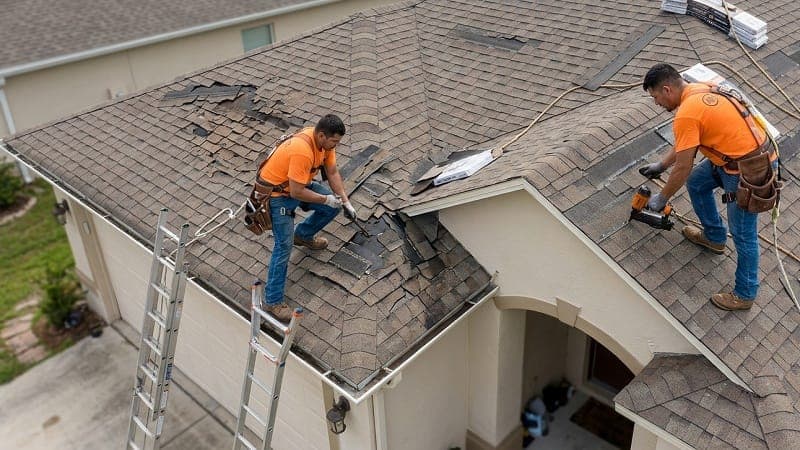
The wind had been strong all afternoon, but David didn't think much about it. After dinner, he stepped outside to move a garden chair and noticed several small pieces of roofing material scattered across the driveway. "The roof still looks fine," he said as he glanced upward. A month later, after several days of rain, a faint stain appeared on the ceiling above the hallway. When a roofing professional inspected the home, the missing roofing material had already allowed moisture to reach the roof decking. What could have been a simple repair had slowly turned into a much larger project. Stories like David's happen every year. Roofs rarely fail without warning. Small problems usually appear first, giving homeowners the chance to act before serious roof damage develops. Knowing why timely roof repairing matters can help protect your home, reduce repair costs, and extend the life of your roofing system. Taking care of a small roofing problem today is often easier than dealing with a much larger one later. Serious roofing problems often start with something that appears unimportant. A single loose shingle. A small crack around flashing. A lifted edge after strong winds. A minor opening may not appear important, but it allows rainfall an opportunity to infiltrate the roofing system. Every storm allows a little more moisture to move beneath the roofing materials, gradually affecting areas that homeowners cannot see from the ground. Once moisture enters the roof, the damage often continues quietly until visible signs begin appearing inside the home. Many homeowners expect major roofing problems to create dramatic leaks. That is not always the case. Water often moves beneath shingles before reaching the ceiling. It may travel across wooden framing or roof decking before becoming visible indoors. Hidden moisture may affect: Roof decking Attic insulation Wooden framing Ceiling drywall Interior paint Stored belongings in the attic This slow process explains why early roof repairing is so valuable. Fixing the entry point helps stop additional damage repair work from becoming necessary later. Roofing materials are designed to work together as one protective system. When one part becomes damaged, nearby materials must handle extra stress. For example: A missing shingle exposes the underlayment. Loose flashing allows rainwater around roof openings. Small cracks become larger after changing weather. Wind lifts weakened roofing materials even farther. Scheduling roof repairing soon after these issues appear helps restore the roof before surrounding materials are affected. The earlier repairs begin, the easier it becomes to protect the rest of the roofing system. Storms often generate roofing issues that are difficult to spot immediately. Heavy rain, strong wind, and falling branches may leave behind hidden damage even when the roof appears normal from the ground. After severe weather, homeowners should look for: Missing shingles Roofing debris in the yard Bent flashing Water stains on ceilings Damp attic insulation Sagging roof sections Overflowing gutters Any of these signs may indicate developing roof damage. Scheduling an inspection early helps determine if roof repairing is needed before another storm arrives. Many homeowners delay repairs because the roof still seems to be doing its job. Unfortunately, roofing problems rarely stay the same. The comparison below shows why acting early often leads to better results. Early repairs often preserve roofing materials that are still in good condition. Roofing follows the same principle. Hidden repairs completed early often protect the entire home. Many people think roofing damage stops at the shingles. In reality, moisture can gradually move into other parts of the home. Over time, untreated roofing problems may affect: Wet insulation loses much of its ability to regulate indoor temperatures. Moisture can weaken wood when left unchecked for long periods. Water stains often appear only after moisture has already traveled through the roof. Peeling paint or bubbling drywall may signal hidden roofing problems. Stored boxes, furniture, and seasonal decorations kept in the attic can also be affected. These additional repairs often cost far more than fixing the original roofing problem. A roof communicates through small changes long before major problems appear. Homeowners should pay attention if they notice: Curled shingles Cracked roofing materials Loose flashing Granules collecting in gutters Damp attic spaces Small ceiling stains New drafts near the roofline These warning signs are opportunities to act before serious roof damage develops. Prompt roof repairing keeps minor issues from becoming larger damage repair projects while helping your roof continue protecting your home through every season. Many homeowners think a roofing inspection only involves looking at the spot where damage is visible. In reality, experienced roofing professionals inspect the entire roofing system because the source of a problem is often located far from where the signs first appear. A complete inspection helps identify both visible and hidden concerns before they become more expensive to fix. During a professional inspection, roofing experts commonly examine: Roofing shingles and other roofing materials Flashing around chimneys, skylights, and vents Roof valleys where water naturally flows Ridge caps Gutters and downspouts Roof decking beneath the roofing materials Attic insulation for signs of moisture Ventilation that affects the roof's condition Each part of the roof works together. If one section becomes damaged, nearby areas may also begin to weaken. A detailed inspection gives homeowners a better understanding of the roof's overall condition instead of focusing on only one visible problem. Roofing problems usually become expensive because homeowners wait too long before taking action. Some of the most common mistakes include: Ignoring one or two missing shingles Waiting until water reaches the ceiling Assuming the roof is safe because it looks fine from the ground Delaying inspections after storms Forgetting to check the attic after heavy rainfall Putting off roof repairing to avoid immediate costs Each delay allows moisture to move deeper into the roofing system. Water may slowly affect roof decking, insulation, wooden framing, and other structural components before obvious warning signs appear inside the home. Responding quickly often keeps repairs smaller and prevents unnecessary damage repair later. Every roofing system ages differently, which is why careful inspections are an important part of protecting a home. Modern Roofing USA takes a complete approach to identifying roof damage by inspecting shingles, flashing, roof valleys, roof decking, ventilation, gutters, and other areas where hidden problems commonly develop. Instead of looking only at the visible issue, the team evaluates the entire roofing system to understand how the damage occurred and what repairs are needed to restore long-term protection. If you are looking for roofers in Columbia SC, working with experienced roofing professionals can help prevent small roofing concerns from becoming major repair projects. Modern Roofing USA is committed to quality workmanship, honest recommendations, and dependable roof repairing solutions that help homeowners protect their investment throughout every season. Early inspections, timely repairs, and careful workmanship all work together to reduce future roofing problems and extend the life of the roof. Although every roof experiences years of changing weather, regular care can greatly reduce unexpected problems. Helpful maintenance habits include: Inspect the roof after strong storms. Clean gutters before they overflow. Remove tree branches touching the roof. Watch for ceiling stains after heavy rain. Check the attic for damp insulation. Schedule a professional inspection once each year. Arrange roof repairing as soon as warning signs appear. Replace damaged roofing materials before additional moisture enters the roof. Keep roof drainage paths free of leaves and debris. Small maintenance tasks completed regularly often prevent larger repairs later. Preparing your roof today often prevents larger repairs tomorrow. Being familiar with your roof's condition helps you make informed decisions. Before approving repairs, consider asking: What caused the roof damage? Has moisture reached the roof decking? Are there hidden areas that also need repairs? Will the damaged materials affect nearby sections of the roof? How soon should repairs be completed? Are additional inspections recommended after future storms? What maintenance will help prevent similar problems? Clear answers help homeowners understand the repair process and feel confident about the work being completed. Some homeowners believe delaying repairs helps them save money. Unfortunately, roofing problems usually become more expensive with time. A single damaged shingle may allow rainwater beneath the roof. Moisture may then reach the underlayment. Eventually, the roof decking becomes damp. If repairs continue to be delayed, insulation, ceilings, walls, and wooden framing may also be affected. Instead of repairing one section of roofing, homeowners may eventually face repairs in several parts of the home. Early roof repairing helps stop this chain of events before additional roof damage develops. Waiting for visible problems is not the best way to care for a roof. A simple maintenance routine helps homeowners identify concerns much earlier. A good routine includes checking the roof after severe weather, cleaning gutters several times each year, inspecting attic spaces for moisture, trimming overhanging branches, and scheduling annual professional inspections. These small habits take far less time than dealing with extensive roofing repairs after years of unnoticed damage. Consistency is often the key to extending the life of a roofing system. Every roof experiences changing weather, sunlight, rain, and wind throughout the year. While these conditions are unavoidable, allowing small roofing problems to remain untreated often leads to much larger roof damage. A loose shingle, cracked flashing, clogged gutter, or small leak may seem minor today, but each one creates an opportunity for moisture to enter the roofing system and affect areas that homeowners cannot easily see. Professional roof repairing helps stop problems before they spread. Early inspections identify hidden moisture, damaged roofing materials, and weak areas that could become much more expensive if ignored. Taking action while the damage is still limited often reduces repair costs, protects the structure of the home, and extends the life of the roof. Regular inspections, prompt maintenance, and timely damage repair give homeowners peace of mind throughout every season. Rather than waiting for major leaks or visible structural problems, responding to the first warning signs helps keep the roofing system strong, dependable, and ready to protect the home for years to come.“The best time to fix the roof is when the sun is shining.” — John F. Kennedy
How Roof Damage Usually Begins
Roof Damage Can Spread Without Obvious Warning
Roof Repairing Stops Small Problems From Growing
Roof Damage After Storms Should Never Be Ignored
Roof Repairing Today or Bigger Repairs Tomorrow?
“Quality means doing it right when no one is looking.” — Henry Ford
Roof Damage Affects More Than the Roof
Attic Insulation
Wooden Framing
Interior Ceilings
Paint and Drywall
Personal Belongings
Small Roofing Changes Deserve Attention
What Happens During a Professional Roof Repairing Inspection?
Common Mistakes That Turn Small Roof Damage Into Major Repairs
How Modern Roofing USA Helps Protect Homes From Roof Damage
Simple Habits That Help Prevent Future Roof Damage
“Success depends upon previous preparation.” — Confucius
Questions Every Homeowner Should Ask Before Roof Repairs Begin
Why Early Roof Repairing Saves Time and Money
Building a Routine That Protects Your Roof
Final Thoughts
📖 Read more blogs: Jorvea — Free Guest Blogging & Content Publishing Platform
Frequently Asked Questions
Can a small roof leak lead to larger structural problems?
Yes. Even a minor leak can allow water to seep beneath roofing materials, affecting the roof decking, insulation, and interior ceilings over time. Prompt roof repairing helps stop moisture before it spreads and reduces the chance of more extensive damage.
How often should homeowners have their roof professionally inspected?
A professional roof inspection is recommended at least once a year and after severe storms. Regular inspections can identify early signs of roof damage, allowing repairs to be completed before they become larger and more expensive.
What are some early signs that roof repairs should not be delayed?
Missing or cracked shingles, loose flashing, water stains on ceilings, clogged gutters with roofing granules, sagging roof areas, and damp spots in the attic are common warning signs. Addressing these issues early helps prevent additional roof damage.
Why is it important to repair damaged roofing materials quickly?
Damaged roofing materials leave the roof exposed to rain, wind, and moisture. Quick roof repairing helps protect the underlying structure, reduces the risk of leaks, and supports the overall lifespan of the roofing system.