• Home
  • technology
  • Save More Every Month with a 30 Watt Inverter Ceiling Fan
technology

Save More Every Month with a 30 Watt Inverter Ceiling Fan
Save More Every Month with a 30 Watt Inverter Ceiling Fan
10 min read
1869 words
0 views

The struggle with rising electricity prices is a reality for almost every household today. As utility bills continue to skyrocket, families are forced to look for innovative ways to cut costs without giving up basic comforts. One of the most effective and overlooked solutions is the transition to energy-efficient appliances. Specifically, upgrading to a 30 Watt inverter ceiling fan can be a game-changer for your monthly budget. These fans are engineered to provide maximum airflow while consuming significantly less power than traditional models. By making this one simple switch, you can start seeing a noticeable difference in your power consumption from the very first month.

Understanding the Shift to Inverter Technology

For decades, the standard ceiling fan found in most homes relied on induction motor technology. While these motors are known for their durability, they are incredibly inefficient by modern standards. A typical older induction fan consumes anywhere from 80 to 100 Watts of power. Much of this energy is actually wasted as heat rather than being converted into rotational force.

In contrast, modern inverter fans utilize Brushless DC (BLDC) motors. This technology eliminates the mechanical friction caused by brushes in traditional motors. By using permanent magnets and electronic circuitry, the motor operates with extreme efficiency. This transition is not just a trend in home appliances; it is a necessary evolution in a world where energy conservation is becoming a priority for everyone. The internal "driver" of the fan converts the incoming Alternating Current (AC) into Direct Current (DC), allowing for much tighter control over speed and power usage.

The Financial Impact of High Wattage Fans

To understand why a 30 Watt fan is so beneficial, we must first look at the cost of running older technology. Most households run their fans for at least 15 to 18 hours a day during the warmer months. In tropical and subtropical climates, fans are often left on 24/7 during the peak of summer.

If you have five traditional fans in your home, each consuming 90 Watts, you are using 450 Watts every hour. Over the course of a day, that adds up to 6.75 units of electricity. Over a 30-day month, that is over 200 units just for ceiling fans. With current electricity tariffs, these units often push households into higher cost brackets, making every unit more expensive.

Why the 30 Watt Model is the Sweet Spot

The 30 Watt rating is considered the ideal balance between performance and savings. Some fans go lower, but they often sacrifice air delivery or durability. The 30 Watt inverter ceiling fan ensures that the RPM (Revolutions Per Minute) and CFM (Cubic Feet per Minute) of air delivery remain high enough to keep a room cool even in peak summer.

  • Significant Unit Reduction: You can save up to 65% on your fan-related energy costs compared to induction models.

  • Lower Heat Emission: BLDC motors stay cool to the touch even after hours of work, meaning they do not add extra heat to the room.

  • Slab Management: By reducing total units, you may stay in a lower billing slab, saving even more per unit across your entire bill.

Detailed Comparison: Induction vs. BLDC

When we compare these two technologies side by side, the advantages of the inverter fan become even clearer for the average homeowner.

1. Energy Consumption

An induction fan uses about 80 to 100 Watts at full speed. An inverter fan uses only 28 to 35 Watts at the same speed. Even at lower speeds, the inverter fan remains more efficient because its electronic controller manages power delivery more precisely.

2. Performance at Low Voltage

In many areas, voltage fluctuations are a common problem. Traditional fans slow down significantly when the voltage drops, often becoming ineffective right when you need them most. Inverter fans are equipped with "Smart Drivers" that can handle a wide range of input voltages, typically from 90V to 280V, while maintaining a constant speed.

3. Noise Levels

The hum of a traditional fan is caused by the vibration of the induction motor and the friction of the brushes. Since BLDC motors are brushless and electronically commutated, they are nearly silent. This makes them the perfect choice for libraries, bedrooms, and offices where focus and rest are essential.

The Role of Inverter Fans in Solar and UPS Setups

One of the biggest advantages of low-wattage fans is their compatibility with backup power systems. If your home relies on a UPS (Uninterruptible Power Supply) or a solar power system, energy efficiency is critical to keeping the lights on.

A standard UPS battery that can run two traditional fans for three hours will suddenly be able to run those same fans for nearly eight to nine hours if you switch to 30 Watt models. This drastically reduces the strain on your batteries and extends their overall lifespan. For solar energy users, using low-wattage fans means you can allocate more of your generated power to other heavy appliances like refrigerators or washing machines. It makes the entire solar investment more viable and efficient.

Key Features to Look For When Buying

Not all inverter fans are created equal. To ensure you are getting the best value for your money, keep an eye on these specific features during your search:

  • Pure Copper Winding: Always check that the motor uses 99.9% pure copper. Some cheaper models use silver-colored aluminum winding, which is less efficient and prone to burning out during heavy use.

  • Remote Control Options: Modern inverter fans usually come with a remote that offers sleep timers, speed settings, and even a "boost" mode for extra air throw.

  • Blade Material: Look for fans with aerodynamic blades. Aluminum blades are standard, but high-grade ABS plastic blades are becoming popular for their ability to move air more quietly and resist rust.

  • Service Warranty: Ensure the fan comes with a dedicated warranty for the internal circuit board, as this is the most sensitive part of the fan.

Choosing the Best Ceiling Fan Brand in Pakistan

The market has seen a surge in local manufacturers adopting BLDC technology. When you are searching for the best ceiling fan brand in pakistan for your home, it is important to look for a company that has a proven track record of durability and high air delivery.

A reliable brand will not only offer a 30 Watt model but will also provide excellent after-sales support. Since these fans contain electronic components, having access to a service center is vital. Look for brands that offer at least a 1 year warranty on the electronic kit and a much longer warranty on the motor itself. The top-rated brands in the country have now integrated smart features and aesthetic designs that can match any modern interior, ranging from classic designs to futuristic looks.

Aesthetics and Design Trends

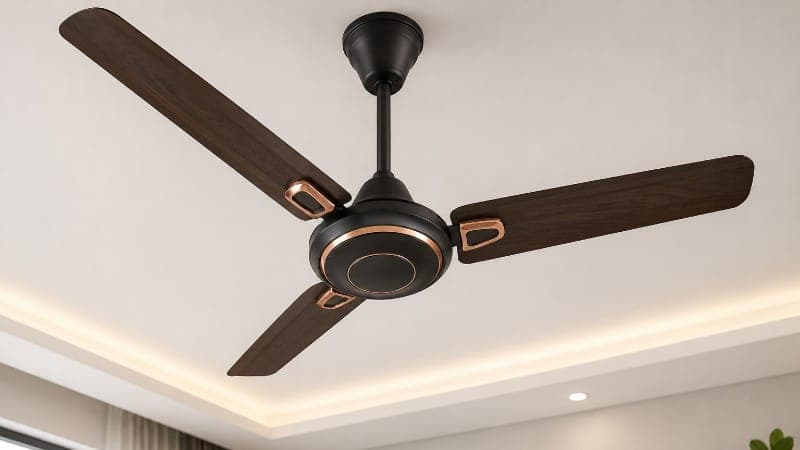
Gone are the days when fans were just functional metal blades hanging from the ceiling. Today, 30 Watt inverter fans are an integral part of home decor. You can find them in various finishes and styles:

  1. Faux Wood Finishes: These are perfect for a rustic or traditional look, providing the warmth of wood with the durability of metal or high-grade plastic.

  2. Matte Black and Charcoal: These are ideal for modern, minimalist interiors and have become a favorite for architects and interior designers.

  3. Gold and Metallic Accents: These designs are great for adding a touch of luxury to drawing rooms and formal guest areas.

  4. Underlight Models: Many inverter fans now come with integrated LED lights, serving two purposes at once and saving space on your ceiling.

Installation and Maintenance for Maximum Efficiency

To get the most out of your investment, you must ensure the fan is installed and maintained correctly. Even the most efficient fan will perform poorly if it is not set up the right way.

Proper Placement

A fan should be placed in the center of the room whenever possible. The distance between the blades and the ceiling should be at least 10 to 12 inches to allow for proper air intake. If the fan is too close to the ceiling, the air delivery will suffer, and the motor might experience unnecessary drag, which can slightly increase power consumption.

Cleaning Routine

Dust buildup on the edges of the blades can disrupt the airflow and create an imbalance. This imbalance causes the fan to wobble, which puts stress on the motor bearings over time. Cleaning your fan blades once a month with a damp cloth can keep it running smoothly and efficiently for years.

Avoiding Old Dimmers

One common mistake people make is connecting an inverter fan to an old-fashioned wall regulator. These regulators work by resisting current, which can damage the sensitive electronic circuit of a BLDC fan. It is always recommended to keep the wall switch at full power and use the provided remote to control the speed.

Common Myths About Inverter Ceiling Fans Debunked

Despite the clear benefits, some people are hesitant to make the switch due to common misconceptions. Let us address some of these myths so you can make an informed decision.

Myth 1: They are too fragile

Some people believe that because these fans have "electronics" inside, they will break easily. While it is true they have a PCB (Printed Circuit Board), these boards are designed for industrial-level durability. Most modern inverter fans are built to withstand the heat and humidity of a typical summer without any issues.

Myth 2: The repair is too expensive

While you cannot simply "rewind" an inverter motor at a local shop as easily as an induction motor, the modular design of BLDC fans makes them easy to fix. Most of the time, only the circuit board needs to be swapped out, which is a quick and relatively affordable process if the brand has good part availability.

Myth 3: They don't work on generators

Actually, inverter fans are more "generator-friendly" than induction fans. Because they have a wide voltage input range and a soft-start mechanism, they do not cause a sudden load spike when turned on. This makes them much safer for small home generators.

Myth 4: They lack "Air Throw"

In the early days of BLDC technology, some fans did have lower air delivery. However, the current 30 Watt models are engineered with high-torque motors that can match or exceed the air throw of a standard 80 Watt fan.

The Environmental Benefit

By choosing a 30 Watt inverter ceiling fan, you are also making an eco-friendly choice that impacts the planet. Lower energy consumption leads to a smaller carbon footprint. In regions where electricity is generated by burning coal or gas, every unit of power saved reduces the amount of greenhouse gases released into the atmosphere.

If every household in a city switched to inverter technology, the cumulative impact on the national power grid would be massive. This would lead to fewer power outages and less pressure on the energy infrastructure during peak summer months. It is one of the few ways you can save money while also being a responsible global citizen.

Conclusion

The initial cost of an inverter fan might be slightly higher than a traditional one, but the "payback period" is incredibly short. In most cases, the money you save on your electricity bill will cover the price of the fan within 12 to 18 months. Beyond the savings, the comfort of silent operation and the reliability during low voltage make it a superior product in every way.

As we move toward a future of smarter and greener homes, upgrading your cooling system is a logical step. Don't let high utility bills stress you out every summer. Invest in a 30 Watt inverter ceiling fan today and enjoy a cooler, quieter, and much more affordable lifestyle.

B

SEO Content Writer specializing in home appliances, energy-efficient solutions, and consumer guides. I create informative, research-driven content on ceiling fans, BLDC technology, electricity savings, and smart home products to help readers make informed buying decisions.

Frequently Asked Questions

Does a 30 Watt fan provide enough air throw for a large room?

Yes, most 30 Watt inverter fans are designed to deliver high airflow. The efficiency of the BLDC motor allows the fan to maintain high RPMs, which ensures that even large rooms receive adequate air circulation. Always check the CFM (Cubic Feet per Minute) rating on the box to be sure it matches your room size.

Can these fans run on a regular UPS?

They are actually better for a UPS than traditional fans. Because they consume 60% less power, your UPS battery will last significantly longer during a power outage. They also do not produce the annoying "buzzing" sound that many induction fans make when running on a modified sine wave UPS.

Is the remote control necessary for operation?

While you can turn the fan on and off with a standard wall switch, the remote is usually required to change speeds or set timers. Many brands now offer fans that remember their last speed setting, so if you leave it on speed 4, it will turn back on at speed 4 when you flip the wall switch.

Are inverter fans harder to repair than old fans?

Traditional fans have simple windings, while inverter fans have an electronic circuit board. If the board fails, it usually needs to be replaced rather than repaired. However, most top brands design these boards to be easily swappable, making the repair process quite fast for a technician.

How much can I really save in a year?

If you replace three 80 Watt fans with 30 Watt fans and run them for 12 hours a day, you can save roughly 650 units of electricity per year. Depending on your local electricity rates and the current tax structure, this can result in savings of thousands of rupees annually, making it a very high-return investment.
Share this article

Help others discover this content

Facebook
Twitter
WhatsApp
LinkedIn
Telegram
Reddit
Pinterest
Email