Why Is a TV Stabilizer Important for LED and OLED TVs?
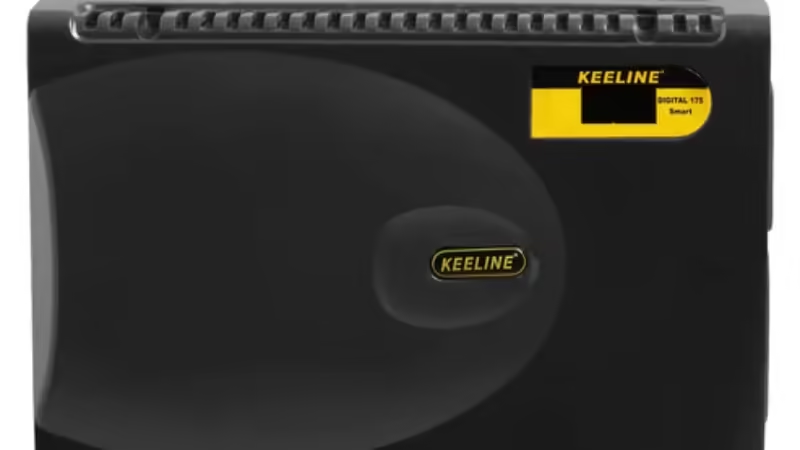
LED and OLED televisions have completely changed the way people enjoy movies, sports, gaming, and streaming content at home. However, along with better performance and advanced technology comes greater sensitivity to electrical problems. Unlike older TVs that were built with simpler internal systems, modern LED and OLED televisions depend on delicate electronic components that can be affected by even small changes in power supply.
This is why a TV stabilizer is such an important accessory for modern televisions. For homeowners who have invested in a high-quality LED or OLED TV, using a TV stabilizer is not just a precaution—it is a smart way to protect that investment and ensure long-term performance.
A quality TV stabilizer supports the safe operation of your television by maintaining a steady flow of electricity. It acts as a protective barrier between the power source and the TV, helping prevent damage from voltage spikes, low voltage, and sudden fluctuations. Understanding why this matters can help you make a better decision when setting up your entertainment system.
Understanding Voltage Fluctuations
Voltage fluctuations happen when the electrical supply rises above or drops below the normal operating range required by appliances. These changes may last only a few seconds, but even brief instability can affect sensitive electronics. In many homes, voltage fluctuations are caused by overloaded power lines, faulty wiring, transformer issues, sudden changes in electricity demand, or weather-related disturbances such as lightning and storms.
Although some areas enjoy relatively stable electricity, many households still experience occasional power instability. These fluctuations may not always be noticeable to the naked eye, but they can still place stress on electronic devices. Appliances with simple mechanical parts may tolerate minor changes more easily, but modern televisions are different. LED and OLED TVs contain advanced processors, display drivers, memory chips, wireless modules, and power boards that require consistent voltage to function properly. This reduces the chances of electrical stress and helps the TV operate safely even when the incoming power is inconsistent.
Why LED and OLED TVs Are More Sensitive
LED and OLED televisions are built with advanced technology that delivers exceptional picture quality and smart functionality. These TVs often include high-resolution panels, image processing chips, internet connectivity, voice control, HDMI ports, Bluetooth modules, and operating systems that support apps and streaming services. All of these features depend on precise electrical performance.
Because of this complexity, LED and OLED TVs are more sensitive to power disturbances than older television sets. A sudden spike in voltage can damage internal circuits, while a drop in voltage can cause the TV to behave unpredictably. In some cases, the television may restart unexpectedly, fail to turn on, or show display issues. Over time, repeated exposure to unstable electricity can shorten the lifespan of the device. A TV stabilizer helps reduce these risks by supplying regulated voltage that keeps the television within its safe operating range. This is especially important for premium models, where repair costs can be high and replacement parts may be expensive.
Protection Against High Voltage
High voltage is one of the most common threats to electronic appliances. When the electrical supply rises above the recommended level, it can overload sensitive components inside the television. This may damage the power supply board, affect the display panel, or cause permanent harm to the internal circuitry.
Voltage spikes can happen suddenly and without warning. They may occur during storms, after power restoration, or because of issues in the local electrical grid. Even if the spike lasts only a moment, it can still cause serious damage to a modern TV. A TV stabilizer helps protect against this danger by continuously monitoring the incoming voltage and adjusting it before it reaches the television. If the voltage becomes too high, the stabilizer regulates it to a safer level. This protective function is especially valuable for LED and OLED TVs, which contain expensive and delicate components that are not designed to handle electrical surges on their own.
Preventing Problems Caused by Low Voltage
Low voltage can be just as harmful as high voltage. When the power supply drops below the level required for proper operation, the television may not function correctly. In some cases, the TV may struggle to start up, shut down unexpectedly, or fail to deliver stable picture and sound quality.
Common problems caused by low voltage include:
- Difficulty powering on
- Sudden restarts or shutdowns
- Flickering or unstable display
- Audio interruptions
- Reduced brightness or performance
- Delayed response from smart TV functions
These issues may seem minor at first, but repeated exposure to low voltage can place stress on the television’s internal systems. A TV stabilizer helps maintain a steady voltage supply, allowing the TV to continue operating smoothly even when the electricity in the home is unstable. For households in areas where voltage drops are frequent, a stabilizer can make a major difference in both performance and protection.
Safeguarding Sensitive Electronic Components
Modern televisions contain a wide range of sensitive electronic assemblies that work together to deliver a seamless viewing experience. These include image processors, display drivers, memory modules, wireless communication systems, audio circuits, and power management boards. Each of these components depends on stable electricity to function correctly.
When voltage fluctuates repeatedly, it can create unnecessary stress on these parts. While one fluctuation may not immediately cause visible damage, repeated instability can gradually weaken the internal systems of the television. Over time, this may lead to performance issues, reduced reliability, or complete failure of certain components. Using a TV stabilizer helps create a safer electrical environment for these delicate systems. By regulating the power supply, the stabilizer reduces the strain placed on the TV’s internal electronics and helps preserve their condition for a longer period.
Supporting Long-Term Performance
A television is often expected to last for many years, especially when it is a major part of the home entertainment setup. To achieve that kind of longevity, the TV must operate under stable conditions. Consistent voltage is one of the most important factors in maintaining long-term performance.
When a television receives clean and regulated power, its internal components can function as intended without unnecessary electrical stress. This may help reduce wear and tear, improve reliability, and lower the chances of unexpected failures. For expensive LED and OLED TVs, this kind of protection is especially valuable because the cost of repairs can be significant. A dependable TV stabilizer supports long-term performance by ensuring that the television receives the right level of power throughout daily use. Whether you watch TV for a few hours a day or keep it running for extended periods, stable voltage helps protect the device and maintain its quality over time.
Added Protection During Storms and Power Surges
Weather conditions can have a major impact on electricity supply. Thunderstorms, lightning strikes, and sudden power restoration after outages can all create dangerous voltage spikes. These surges may travel through household wiring and affect connected appliances, including televisions.
Even if your home has some level of electrical protection, a sudden surge can still pose a risk to sensitive electronics. LED and OLED TVs are particularly vulnerable because of their advanced internal systems and high-value components. A TV stabilizer provides an additional layer of defense against these common electrical disturbances. While it cannot eliminate every possible risk, it can significantly reduce the chances of damage caused by unstable power during storms or outages. For homeowners who live in areas with frequent weather-related power issues, this added protection is highly beneficial.
Ideal for Smart TVs
Today’s televisions are much more than display screens. Smart TVs connect to the internet, stream content from online platforms, support gaming consoles, run apps, and interact with voice assistants. These features make the viewing experience more convenient and enjoyable, but they also increase the complexity of the television’s internal systems.
Because smart TVs rely on multiple electronic functions at once, they need a stable power supply to operate properly. Voltage fluctuations can interfere with performance, cause apps to freeze, disrupt internet connectivity, or lead to unexpected restarts. A TV stabilizer helps maintain consistent voltage so that smart TV features continue to work reliably. It also protects the internal electronics that support these functions. For households that use their television for streaming, gaming, or connected home entertainment, a stabilizer is an important part of keeping the system running smoothly.
Reducing Repair Expenses
Repairing a damaged television can be expensive, especially when the issue involves the power supply board, display panel, or control circuitry. In many cases, these repairs require specialized technicians and replacement parts that may not be easy to find. For premium LED and OLED models, the cost of repair can sometimes be high enough to make replacement a more practical option.
Investing in a TV stabilizer is a preventive measure that can help reduce the likelihood of such costly problems. By protecting the television from voltage-related damage before it occurs, the stabilizer may save you money in the long run. It also helps reduce downtime, since you are less likely to face unexpected breakdowns or service interruptions. When compared to the potential cost of repairing or replacing a modern television, the price of a good stabilizer is usually a small and worthwhile investment.
Choosing the Right TV Stabilizer
Selecting the right stabilizer is important if you want effective protection for your television. Not all stabilizers are the same, and the best choice depends on the power requirements of your TV, the quality of your local electricity supply, and the level of protection you need.
When choosing a TV stabilizer, look for features such as:
- Wide operating voltage range
- Automatic voltage regulation
- High-voltage protection
- Low-voltage protection
- Surge protection
- Overload protection
- Fast response time
- Durable build quality
It is also important to check whether the stabilizer is suitable for the size and power consumption of your television. A stabilizer that is too weak may not provide enough protection, while one that is properly matched to your TV will offer better performance and reliability. For LED and OLED televisions, especially larger models or premium smart TVs, choosing a high-quality stabilizer can make a noticeable difference in safety and durability.
Is a TV Stabilizer Necessary If the TV Has Built-In Protection?
Some modern televisions come with built-in protection systems that can handle minor voltage variations. These internal safeguards are useful, but they are usually designed to manage limited disturbances rather than severe or repeated fluctuations. In other words, built-in protection is helpful, but it may not be enough on its own in areas where electricity supply is unstable.
An external TV stabilizer adds another layer of defense by regulating the voltage before it reaches the television. This means the TV receives cleaner and more controlled power from the start. The stabilizer works alongside the TV’s internal protection features rather than replacing them. For homes that experience frequent voltage changes, using both internal safeguards and an external stabilizer offers much better protection than relying on the television alone.
Conclusion
LED and OLED televisions are valuable investments that bring advanced picture quality, smart features, and a premium entertainment experience into the home. However, these modern TVs are also more sensitive to electrical problems than older models. Voltage fluctuations, low voltage, high voltage, and power surges can all affect performance and reduce the lifespan of the television.
A reliable TV stabilizer plays an essential role in protecting these devices. It regulates incoming voltage, shields sensitive internal components, supports long-term performance, and helps prevent costly repairs. Whether you own a compact LED TV or a high-end OLED display, using a TV stabilizer is a practical and effective way to safeguard your investment. If you want uninterrupted entertainment, better appliance safety, and peace of mind, a quality TV stabilizer is one of the smartest additions you can make to your home entertainment setup.
📖 Read more blogs: Jorvea — Free Guest Blogging & Content Publishing Platform
vijay chouhan
Contributor at Jorvea — Free Guest Blogging & Content Publishing Platform
Frequently Asked Questions
Do modern LED and OLED TVs really need a TV stabilizer?
Yes, modern LED and OLED TVs can benefit from a TV stabilizer, especially in areas with frequent voltage fluctuations. Although many smart TVs have built-in voltage protection, an external TV stabilizer provides an additional layer of safety against high voltage, low voltage, and power surges, helping protect sensitive internal components.
Can a TV stabilizer protect my TV from power surges?
A TV stabilizer is designed to regulate voltage and help protect your television from sudden voltage spikes and fluctuations. While it reduces the risk of damage caused by common electrical disturbances, it should be used as part of an overall electrical protection setup for the best results.
How do I choose the right TV stabilizer for my television?
To choose the right TV stabilizer, check your TV's power requirements, the stabilizer's voltage operating range, and safety features such as automatic voltage regulation, overload protection, and surge protection. Selecting a stabilizer compatible with your TV ensures reliable performance and better protection.
What happens if I don't use a TV stabilizer?
Without a TV stabilizer, your television may be exposed to voltage fluctuations that can affect its performance and, in some cases, damage sensitive components like the power supply board or motherboard. Over time, unstable voltage may reduce the lifespan of your TV and increase the chances of costly repairs.
Is a TV stabilizer better than a surge protector?
A surge protector and a TV stabilizer serve different purposes. A surge protector mainly guards against sudden power surges, while a TV stabilizer continuously regulates high and low voltage to provide a stable power supply. If your area experiences frequent voltage fluctuations, a TV stabilizer offers more comprehensive protection for your television.