10 Factors to Consider Before Buying a Scissor Lift
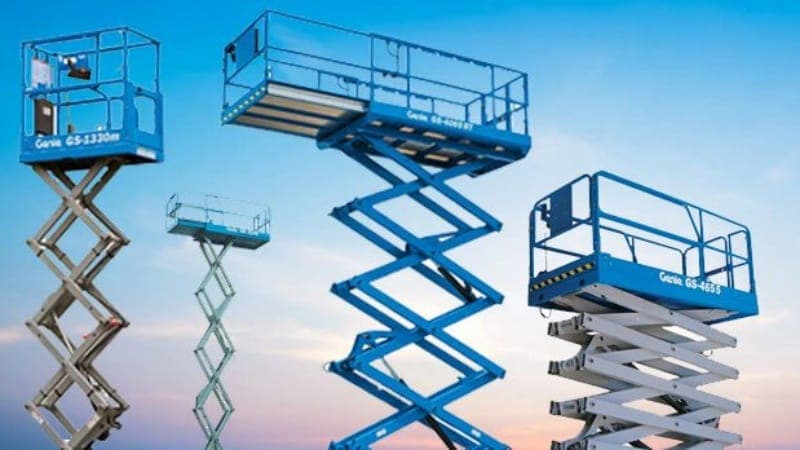
Whether you're outfitting a warehouse, construction site, or maintenance facility, choosing the right model can make the difference between years of reliable productivity and constant breakdowns. Before you commit to buying a scissor lift, there are critical factors beyond just the asking price that determine whether you're making a smart purchase or setting yourself up for expensive regrets.
The market offers hundreds of options—electric and diesel models, varying heights and capacities, new machines fresh from the factory and used units with hidden histories. This guide walks you through the 10 essential factors that separate a sound investment from a costly mistake.
The 10 Critical Factors
1
Weight Capacity
Precisely match your typical load to the machine's rated capacity. Don't buy "close enough"—safety depends on accurate specifications.
2
Platform Dimensions
Measure your equipment and materials. Platform size determines what you can actually lift—a small platform defeats the purpose.
3
Lifting Height
Will 20 feet be enough, or do you need 32 feet? Determine your maximum height requirement before shopping.
4
Power Source
Electric vs. hydraulic vs. diesel. Each has cost, maintenance, and operational implications for your specific environment.
5
Indoor vs. Outdoor Suitability
Indoor models need tight turning radiuses. Outdoor machines need weather sealing and robust construction.
6
Maintenance Requirements
Some models demand frequent hydraulic fluid changes. Others are virtually maintenance-free. Factor in time and parts cost.
7
Fuel or Energy Costs
Daily operational costs add up. Calculate annual fuel or electricity spend and factor it into your ROI analysis.
8
Safety Features & Certifications
Load sensors, guardrails, emergency descent—these aren't nice-to-have extras. They're non-negotiable liability requirements.
9
Warranty & Support
What happens if a component fails at week two? Does the dealer provide parts? Service? Documentation matters enormously.
10
Return on Investment Timeline
Will this machine pay for itself in 2 years or 5? Calculate expected usage and revenue to determine payback period.
Detailed Breakdown: Making the Right Choice
Specifications That Matter
When you're shopping for a scissor lift for sale, the specification sheet is your foundation. Don't skim it. Here's what to examine closely:
Maintenance: The Hidden Cost
When you buy a scissor lift, you're not just paying the purchase price. Maintenance determines your true cost of ownership. Electric models are typically the cheapest to maintain—mostly battery charging or charging circuits. Hydraulic and diesel models require more attention:
Maintenance Typical Annual Costs
Electric: $200–$500. Hydraulic: $800–$1,500. Diesel: $1,200–$2,000. These numbers scale with usage hours. A machine running 8 hours daily will cost significantly more than one used 2–3 hours weekly.
ROI Calculation: Will It Pay for Itself?
Every purchase decision comes down to ROI. Here's a practical framework:
Purchase Price
$15,000
Annual Maintenance
$1,200
Annual Fuel/Power
$800
Total Annual Cost
$2,000
Revenue per Year
$8,000
Payback Period
2.1 years
Example: A new scissor lift for sale costs $15,000. It generates $8,000 in annual revenue (labor savings, rental income, or operational efficiency). With $2,000 annual costs, the net benefit is $6,000 yearly. Payback takes 2.1 years. After that, it's pure profit.
New vs. Used: Which Makes Sense?
A scissor lift for sale as a new machine comes with a warranty and no hidden history.A used model costs 40–60% less but carriesunknown maintenance history and possibly reduced component lifespan. The decision hinges on:
Buy New If: You operate in a mission-critical environment, you want maximum warranty coverage, or you'll keep the machine 8+ years. New machines provide predictability.
Buy Used If: You're budget-constrained, expect to replace it in 4–5 years, or you're comfortable with some risk. Always get a pre-purchase inspection from a qualified technician.
Frequently Asked Questions
Should I buy a used scissor lift if it has low hours but no maintenance records?
I'd be cautious. Low hours only tell part of the story. A machine left idle for 5 years may have hydraulic fluid that's degraded, seals that have dried out, or batteries that won't hold a charge. Maintenance records are your window into what happened to the machine—whether it was serviced regularly or neglected. Before committing to a used scissor lift for sale without records, hire an independent technician to perform a thorough inspection. They'll check hydraulic pressure, electrical systems, and mechanical wear. That inspection ($200–$500) could save you from a $5,000–$10,000 repair bill later.
How often do scissor lifts need maintenance? Is it really expensive?
Maintenance frequency depends on the model and usage. Electric scissor lifts need minimal maintenance—mostly daily battery charging and occasional filter changes. Hydraulic models need quarterly fluid level checks and annual fluid analysis (40–150 per inspection). Diesel models require more frequent attention—fuel filter changes every 250 hours, oil changes every 500 hours. That said, costs are predictable if you follow the schedule. It's the unplanned repairs—replacing a hydraulic pump ($2,000–$4,000) or a diesel engine component—that get expensive. Regular maintenance prevents those disasters.
Is there a significant difference between brands when buying a scissor lift? Or are they all basically the same?
There are real differences. Premium brands like JLG, Snorkel, and Genie dominate the market for good reasons—robust construction, extensive dealer networks, readily available parts, and strong resale value. Budget brands and no-name imports are cheaper upfront but come with risks: harder-to-find parts, less reliable hydraulics, weaker support if something goes wrong. If you're buying a scissor lift for sale and plan to keep it long-term or in a demanding environment, investing in a recognized brand is worth the premium.For short-term projects or occasional use, a budget option might be acceptable—just go in with eyes open about the risks.
What's the typical resale value of a scissor lift after 3 years?
Resale value depends heavily on brand, condition, and usage hours. A well-maintained JLG or Snorkel typically retains 50–65% of its original purchase price after 3 years. Lesser-known brands drop to 30–45%. A machine with 5,000 operating hours is worth significantly less than one with 1,000 hours. When you're deciding whether to buy a scissor lift, factor in expected resale value—it improves your ROI calculation.
📖 Read more blogs: Jorvea — Free Guest Blogging & Content Publishing Platform
Frequently Asked Questions
What is 10 Factors to Consider Before Buying a Scissor Lift?
Whether you're outfitting a warehouse, construction site, or maintenance facility, choosing the right model can make the difference between years of reliable productivity and constant breakdowns. Befo...
Why is 10 Factors to Consider Before Buying a Scissor Lift important?
This article explains the key aspects of 10 Factors to Consider Before Buying a Scissor Lift in detail, covering essential information and practical insights.
How can I learn more about technology?
Read the full article on Jorvea for comprehensive information about 10 Factors to Consider Before Buying a Scissor Lift and related topics.