marketing

What to pour down a bathroom sink drain to unclog?
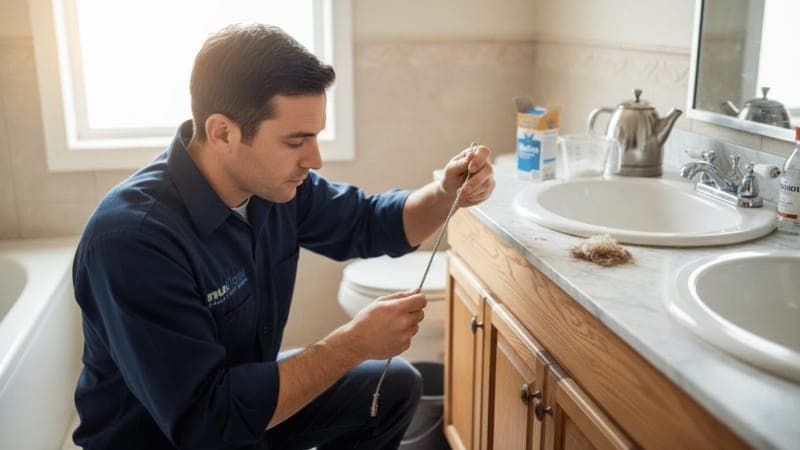
What to pour down a bathroom sink drain to unclog?
5 min read
947 words
0 views

A clogged bathroom sink can quickly become frustrating. Water starts draining slowly, unpleasant odors develop, and eventually the sink may stop working altogether. Many homeowners immediately look for quick solutions and wonder what they should pour down the drain to clear the blockage safely.

The answer depends on what is causing the clog. Bathroom sink drains are commonly blocked by hair, soap scum, toothpaste residue, oils, and mineral buildup. Some natural solutions can help loosen mild buildup, while severe clogs may require mechanical cleaning or professional drain service.

Before using harsh chemical cleaners, it is important to understand which methods are safest for your plumbing system and which products may actually cause more damage over time. If you are looking for reliable ways on how to unclog bathroom sink drains naturally, several safe options can help improve drainage without harming your pipes.

Start With Hot Water

One of the safest and easiest things to pour down a bathroom sink drain is hot water. Hot water helps loosen soap residue, toothpaste buildup, and minor sludge stuck inside the pipe.

How to use it:

  1. Heat water until very hot
  2. Slowly pour it directly into the drain
  3. Wait several minutes
  4. Test the sink flow

This method works best for slow drains caused by light buildup rather than solid blockages.

Important note:

If your home has older PVC pipes, avoid pouring boiling water repeatedly because extreme heat may weaken older plumbing connections over time.

Dish Soap Can Help Break Down Residue

Liquid dish soap is another common household item that may help improve drain flow.

Dish soap works by cutting through greasy residue and softening buildup inside pipes. Although bathroom sinks usually clog from hair rather than grease, soap can still help loosen some debris.

Steps:

  1. Pour several tablespoons of dish soap into the drain
  2. Follow with hot water
  3. Let it sit for several minutes

This method is especially useful when combined with other drain cleaning techniques.

Baking Soda and Hot Water

Baking soda alone can sometimes help reduce odors and loosen light buildup in bathroom drains.

How to use it:

  1. Pour baking soda into the drain
  2. Let it sit briefly
  3. Flush with hot water

The baking soda helps absorb odors while hot water pushes loosened debris through the pipe.

However, baking soda is usually more effective for maintenance than severe clogs.

Should You Use Vinegar?

Many online drain cleaning guides recommend combining vinegar with baking soda. While this mixture creates a fizzing reaction, it is not always powerful enough to clear serious bathroom sink blockages.

The reaction may help loosen light residue near the top of the pipe, but hair clogs and heavy buildup usually remain unaffected.

In many cases, the hot water poured afterward does more cleaning than the vinegar itself.

Avoid Pouring Harsh Chemical Drain Cleaners

When drains become badly clogged, many homeowners turn to strong chemical drain cleaners for fast results. Although these products may temporarily improve drainage, they can create long-term plumbing problems.

Chemical drain cleaners may:

  • Damage older pipes
  • Corrode plumbing joints
  • Produce dangerous fumes
  • Harm septic systems
  • Fail to remove hair clogs fully

Repeated chemical use weakens plumbing systems over time, especially in older homes.

Natural cleaning methods are generally safer for long-term drain maintenance.

Remove Hair Before Pouring Drain Solutions

One mistake many homeowners make is pouring cleaners into the sink without removing visible hair buildup first.

Hair often wraps tightly around the drain stopper assembly, blocking water flow before any liquid cleaner can reach deeper inside the pipe.

Before using any drain solution:

  • Remove the sink stopper
  • Pull out trapped hair
  • Rinse away debris
  • Reinstall the stopper

This simple step often improves drainage immediately.

Use a Drain Snake for Better Results

If pouring liquids into the drain does not solve the problem, a drain snake or hair removal tool may work far better.

These inexpensive tools physically remove:

  • Hair clumps
  • Soap sludge
  • Toothpaste buildup
  • Thick debris inside the pipe

Mechanical removal is usually more effective than relying only on liquids.

Clean the P-Trap Under the Sink

Some severe bathroom sink clogs are trapped inside the P-trap located underneath the sink.

The P-trap is designed to hold water and block sewer gases, but it also collects heavy debris over time.

To clean it:

  1. Place a bucket underneath
  2. Unscrew the curved pipe carefully
  3. Remove debris manually
  4. Rinse thoroughly
  5. Reinstall the pipe

This method often clears stubborn blockages that liquid cleaners cannot reach.

Signs the Drain Problem Is More Serious

Sometimes a clogged bathroom sink indicates a larger plumbing issue deeper inside the drain line.

Watch for these warning signs:

  • Multiple drains backing up
  • Gurgling sounds from pipes
  • Sewer odors
  • Recurring sink clogs
  • Water backing up repeatedly

These symptoms often suggest partial blockages further inside the plumbing system.

At Nuflow DFW, professional drain inspections help homeowners identify deeper plumbing issues before they become costly repairs.

How to Prevent Future Sink Clogs

Preventive maintenance is one of the best ways to avoid severe drain blockages.

Use a drain cover

Hair catchers help stop debris from entering the pipe.

Flush drains weekly

Hot water helps reduce soap and toothpaste buildup.

Clean the stopper regularly

Hair accumulates faster than most people realize.

Avoid pouring oils into the sink

Even small amounts contribute to residue buildup.

These simple habits can keep bathroom drains flowing properly for longer periods.

Why Some Bathroom Sink Clogs Keep Returning

If your sink keeps clogging repeatedly, there may be a deeper issue inside the plumbing system.

Recurring blockages may result from:

  • Pipe scaling
  • Partial obstructions
  • Old plumbing lines
  • Poor pipe slope
  • Heavy mineral buildup

Temporary cleaning methods may improve drainage briefly, but the clog eventually returns if the root cause is not fully removed.


N

Nuflow DFW

Contributor at Jorvea — Free Guest Blogging & Content Publishing Platform

Frequently Asked Questions

What is What to pour down a bathroom sink drain to unclog??

A clogged bathroom sink can quickly become frustrating. Water starts draining slowly, unpleasant odors develop, and eventually the sink may stop working altogether. Many homeowners immediately look fo...

Why is What to pour down a bathroom sink drain to unclog? important?

This article explains the key aspects of What to pour down a bathroom sink drain to unclog? in detail, covering essential information and practical insights.

How can I learn more about marketing?

Read the full article on Jorvea for comprehensive information about What to pour down a bathroom sink drain to unclog? and related topics.


Share this article

Help others discover this content

Facebook
Twitter
WhatsApp
LinkedIn
Telegram
Reddit
Pinterest
Email