

Understanding Gear Oils in High-Load Industrial Systems
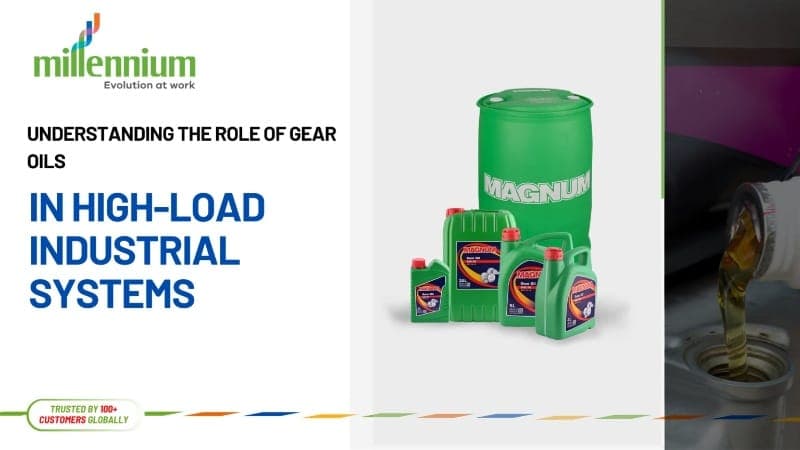
Industrial machinery operates under demanding conditions where heavy loads, high temperatures, and constant mechanical stress are common. In such environments, gears play a critical role in transmitting power efficiently between moving components. To ensure reliable performance and long service life, proper lubrication is essential. Gear oils are specifically formulated to protect gears from wear, friction, and heat while maintaining smooth operation under extreme working conditions.
From manufacturing plants and mining operations to construction equipment and power generation facilities, industrial gear systems rely heavily on high-performance lubricants. Selecting the right gear oil helps improve equipment efficiency, reduce downtime, and minimize maintenance costs. Understanding how gear oils function in high-load industrial systems is important for maintaining operational reliability and protecting expensive machinery.
Importance of Gear Oil in Load-Bearing Industrial Applications
Industrial gear systems are designed to handle significant mechanical stress and heavy power transmission. During operation, gears experience intense pressure where metal surfaces come into direct contact. Without proper lubrication, friction between gear teeth can generate excessive heat, accelerate wear, and lead to premature component failure.
Gear oil forms a protective lubricating layer between moving gear surfaces, reducing direct metal-to-metal contact. This protective film minimizes friction and helps gears operate smoothly even under extreme load conditions. In load-bearing applications such as steel mills, conveyors, crushers, and heavy manufacturing equipment, proper lubrication is critical for maintaining system durability and performance.
How Gear Oils Protect Gears Under High Load
High-load industrial systems place enormous stress on gear surfaces. When gears mesh under heavy pressure, the lubricant must withstand extreme contact forces while maintaining a stable protective film. Gear oils are specially engineered to handle these conditions and prevent damage caused by friction and wear.
One of the primary ways gear oils protect machinery is through extreme pressure (EP) additives. These additives react chemically with metal surfaces under high temperature and pressure conditions, forming a protective layer that reduces scuffing and surface damage.
Gear oils also reduce the risk of micropitting, scoring, and adhesive wear that commonly occur in heavily loaded gear systems. By maintaining adequate lubrication between gear teeth, the oil ensures smooth engagement and reduces vibration during operation.
Viscosity and Its Impact on Gear Performance
Viscosity is one of the most important properties of gear oil because it directly affects lubrication efficiency and gear protection. Viscosity refers to the oil’s resistance to flow and determines how well the lubricant can maintain a protective film between moving surfaces.
If the oil viscosity is too low, the lubricant film may become too thin to protect gear surfaces under heavy loads. This can result in increased metal-to-metal contact, excessive wear, and reduced gear life. Thin oils may also struggle to maintain lubrication at high operating temperatures.
ISO viscosity grades help classify industrial lubricants based on their flow characteristics. Selecting the proper ISO grade is essential for ensuring durability .
Heavy-duty applications such as mining equipment, cement plants, and steel processing machinery often require higher ISO grades because of the extreme loads and operating temperatures involved. Oils with higher ISO grades provide thicker lubricating films that improve wear protection and support heavy mechanical loads.
For example, ISO VG 220, 320, and 460 gear oils are commonly used in industrial gearboxes operating under severe conditions. These grades provide excellent film thickness and thermal stability for demanding applications. In high-load industrial systems, strong film strength is essential for preventing direct metal contact and minimizing wear.
Gear teeth experience concentrated pressure at contact points during operation. If the lubricating film breaks down, surface damage can occur rapidly, leading to pitting, scoring, and eventual gear failure. High-quality gear oils are formulated to maintain strong film protection even under shock loads and heavy torque conditions.
Film strength becomes especially important in slow-speed, high-load applications where the lubricant film may be subjected to prolonged pressure. Extreme pressure additives and advanced base oils help improve film durability and maintain reliable protection.
Industrial Gear Lubrication and Energy Efficiency
Efficient lubrication plays an important role in reducing energy consumption in industrial systems. Friction within gears and bearings can result in significant energy loss if lubrication is inadequate or poorly maintained.
High-performance lubricants designed for industrial gear lubrication help reduce internal friction and improve power transmission efficiency. Lower friction allows machinery to operate with less resistance, reducing the energy required to drive the system.
Efficient lubrication also helps control operating temperatures. Excessive heat increases energy losses and accelerates lubricant degradation. Gear oils with strong thermal stability maintain consistent performance and support efficient operation over extended periods.
Replacement Intervals and Maintenance Best Practices
Proper maintenance is essential for maximizing gear oil performance and extending equipment life. Over time, gear oils degrade due to oxidation, contamination, and thermal stress, reducing their ability to protect gears effectively.
Routine oil analysis helps monitor lubricant condition and identify issues such as contamination, viscosity changes, and wear particles. Early detection of problems allows maintenance teams to take corrective action before serious damage occurs.
Choosing the right lubricant involves evaluating operating conditions, load requirements, temperature ranges, and equipment design. High-load industrial systems require lubricants capable of handling extreme pressure while maintaining stable performance.
When selecting gear oil for high-load machinery, important factors include viscosity grade, thermal stability, oxidation resistance, and extreme pressure protection. Synthetic gear oils are often preferred for severe operating conditions because they offer superior durability and longer service life.
Conclusion
Gear oils are essential for protecting industrial gear systems operating under heavy loads and demanding conditions. By reducing friction, controlling heat, and preventing wear, high-quality lubricants help ensure reliable equipment performance and longer service life.
Selecting the correct viscosity, ISO grade, and lubricant formulation plays a critical role in maintaining durability, load capacity, and operational efficiency. Proper maintenance practices further enhance lubrication performance and reduce the risk of costly downtime.
📖 Read more blogs: Jorvea — Free Guest Blogging & Content Publishing Platform
Frequently Asked Questions
What is Understanding Gear Oils in High-Load Industrial Systems?
Industrial machinery operates under demanding conditions where heavy loads, high temperatures, and constant mechanical stress are common. In such environments, gears play a critical role in transmitti...
Why is Understanding Gear Oils in High-Load Industrial Systems important?
This article explains the key aspects of Understanding Gear Oils in High-Load Industrial Systems in detail, covering essential information and practical insights.
How can I learn more about business?
Read the full article on Jorvea for comprehensive information about Understanding Gear Oils in High-Load Industrial Systems and related topics.
_1780549347456.png&w=1200&q=75)

_1780560426699.jpg&w=1200&q=75)