

Top Benefits of Effective Payroll Management Systems
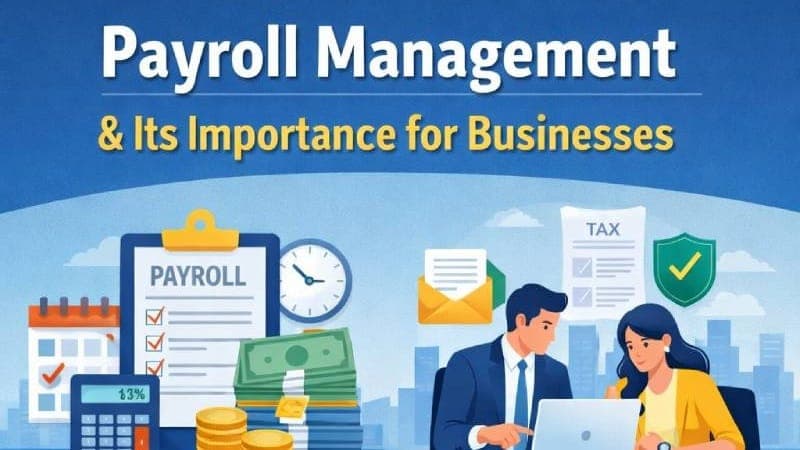
It directly affects employee satisfaction, legal compliance, and financial management. As businesses grow, managing payroll manually becomes increasingly complex and time-consuming. This is why many organizations are turning to effective payroll management systems to streamline operations and improve accuracy.
A payroll management system automates salary calculations, tax deductions, compliance requirements, record keeping, and payment processing. By reducing manual effort and minimizing errors, these systems help businesses operate more efficiently while ensuring employees are paid accurately and on time.
In today’s competitive business environment, organizations need reliable payroll solutions that support productivity, compliance, and employee trust. This blog explores the top benefits of effective payroll management systems and why they are essential for modern businesses.
What Is a Payroll Management System?
A payroll management system is software or a structured process designed to manage employee compensation efficiently. It automates payroll-related activities such as:
Salary calculations
Attendance tracking
Tax deductions
Overtime calculations
Employee benefits management
Payslip generation
Compliance reporting
Salary disbursement
These systems eliminate many of the challenges associated with manual payroll processing while ensuring greater accuracy and consistency.
Ensures Accurate Salary Calculations
One of the biggest advantages of an effective payroll management system is improved accuracy.
Manual payroll calculations can result in mistakes related to:
Basic salary
Overtime payments
Incentives and bonuses
Tax deductions
Leave deductions
Even small errors can create dissatisfaction among employees and lead to administrative complications.
Payroll systems automatically calculate earnings and deductions based on predefined rules, significantly reducing the risk of errors. This ensures employees receive the correct compensation every pay cycle.
Saves Valuable Time
Payroll processing often requires substantial administrative effort, especially in organizations with large workforces.
HR and finance teams must handle:
Attendance records
Leave calculations
Tax computations
Salary processing
Payslip generation
A payroll management system automates these repetitive tasks, reducing processing time dramatically.
Instead of spending days managing payroll manually, businesses can complete payroll activities in a matter of hours, allowing HR professionals to focus on strategic initiatives and employee development.
Enhances Employee Satisfaction
Employees expect their salaries to be paid accurately and on time. Delayed or incorrect payments can negatively impact morale and trust.
An effective payroll system ensures:
Timely salary payments
Accurate calculations
Transparent payroll records
Easy access to payslips
When employees feel confident that payroll processes are reliable, they are more likely to remain engaged, motivated, and productive.
A positive payroll experience contributes significantly to overall employee satisfaction and retention.
Improves Compliance with Regulations
Payroll compliance is a major responsibility for every organization. Businesses must comply with various labor laws, tax regulations, and statutory contribution requirements.
Failure to meet compliance obligations can result in:
Financial penalties
Legal disputes
Government audits
Reputational damage
An effective payroll management system helps organizations stay compliant by automatically applying current tax rates and statutory deductions.
Many modern payroll platforms also generate compliance reports and reminders, ensuring important deadlines are not missed.
Reduces Administrative Burden
Manual payroll management often involves handling large volumes of paperwork and repetitive calculations.
This can place significant pressure on HR and finance teams.
Payroll systems automate many administrative tasks, including:
Employee record management
Attendance integration
Payslip generation
Tax calculations
Reporting
By reducing administrative workloads, businesses can improve efficiency and allocate resources to more valuable activities.
Provides Better Data Security
Payroll data contains highly sensitive information, including:
Employee salaries
Bank account details
Tax information
Personal identification data
Protecting this information is essential.
Modern payroll management systems include security features such as:
Data encryption
Access controls
Password protection
Secure cloud storage
Audit trails
These measures help protect confidential information from unauthorized access and data breaches.
Supports Better Financial Planning
Payroll expenses represent a significant portion of operational costs for most organizations.
An effective payroll system provides detailed insights into:
Employee compensation costs
Tax liabilities
Benefit expenses
Overtime spending
Access to accurate payroll data enables management teams to make informed financial decisions and improve budgeting processes.
Businesses can better forecast labor costs and allocate resources more effectively.
Facilitates Faster Reporting
Preparing payroll reports manually can be time-consuming and prone to errors.
Payroll management systems generate reports instantly, providing valuable information such as:
Salary summaries
Tax reports
Attendance reports
Employee earnings records
Compliance reports
These reports help management monitor workforce expenses and support decision-making.
Fast access to payroll information improves organizational transparency and operational efficiency.
Improves Record Keeping
Maintaining accurate payroll records is essential for audits, compliance checks, and employee inquiries.
A payroll management system stores payroll information in a centralized database, making it easy to:
Retrieve historical records
Generate reports
Verify transactions
Support audits
Proper record management reduces the risk of missing documents and improves organizational accountability.
Supports Business Growth
As organizations expand, payroll complexity increases.
Growing businesses often face challenges such as:
Managing larger workforces
Handling multiple salary structures
Operating across different locations
Adapting to changing regulations
An effective payroll management system can scale with business growth, handling increased workloads without compromising accuracy or efficiency.
This scalability allows businesses to focus on expansion while maintaining smooth payroll operations.
Reduces Payroll Processing Costs
Although implementing payroll software may require an initial investment, it often results in long-term cost savings.
Payroll systems reduce costs associated with:
Manual processing
Payroll errors
Compliance penalties
Administrative labor
Paper-based documentation
By automating payroll tasks, businesses can improve productivity while lowering operational expenses.
Enables Employee Self-Service
Many payroll systems include self-service portals where employees can access payroll-related information independently.
Employees can:
Download payslips
View tax documents
Update personal information
Check leave balances
Access payroll history
This reduces the number of routine inquiries directed to HR departments and confusion and disputes.
Transparent payroll practices contribute to a positive workplace culture.
Supports Remote and Hybrid Workforces
The rise of remote and hybrid work models has increased the need for digital payroll solutions.
Modern payroll systems allow organizations to:
Manage payroll from any location
Process payments remotely
Access payroll data securely
Support distributed teams
This flexibility helps businesses adapt to evolving workplace trends while maintaining efficient payroll operations.
Helps Minimize Payroll Disputes
Payroll disputes often arise due to inaccuracies, unclear deductions, or delayed payments.
An automated payroll system creates consistent and transparent processes that reduce misunderstandings.
Accurate records and detailed payroll reports make it easier to resolve issues quickly when questions arise.
As a result, businesses experience fewer payroll-related conflicts and stronger employee relationships.
Why Businesses Should Invest in Payroll Management Systems
Organizations that invest in payroll technology gain a competitive advantage through:
Greater operational efficiency
Improved employee satisfaction
Enhanced compliance
Better financial visibility
Reduced administrative workload
Many businesses also choose professional Payroll Management services in India to combine advanced technology with expert payroll support, ensuring smooth and compliant payroll operations.
📖 Read more blogs: Jorvea — Free Guest Blogging & Content Publishing Platform
Salman SEO
Contributor at Jorvea — Free Guest Blogging & Content Publishing Platform
Frequently Asked Questions
What is Top Benefits of Effective Payroll Management Systems?
It directly affects employee satisfaction, legal compliance, and financial management. As businesses grow, managing payroll manually becomes increasingly complex and time-consuming. This is why many o...
Why is Top Benefits of Effective Payroll Management Systems important?
This article explains the key aspects of Top Benefits of Effective Payroll Management Systems in detail, covering essential information and practical insights.
How can I learn more about business and finance?
Read the full article on Jorvea for comprehensive information about Top Benefits of Effective Payroll Management Systems and related topics.

_1779441047889.jpg&w=1200&q=75)