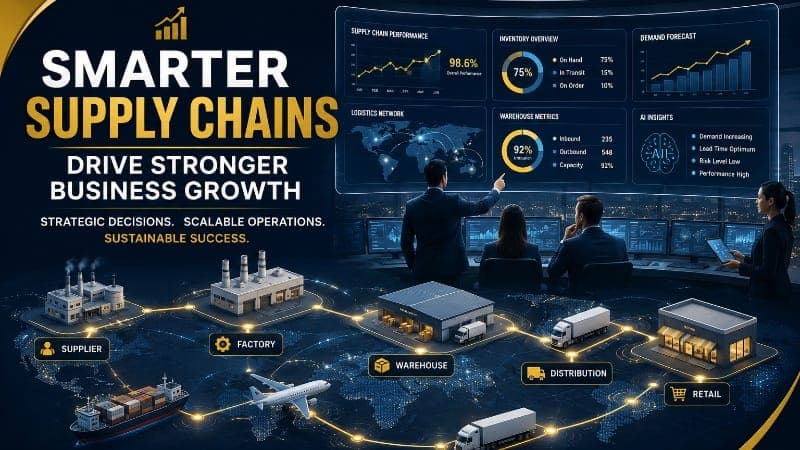
The Smart Way to Manage Global Revenue and Supplier Payments
Running a business across multiple countries sounds exciting until you start dealing with the financial side of it.
One day you're receiving payments from customers in Europe, the next you're paying suppliers in Asia, contractors in Latin America, and service providers in North America. What seems simple at first can quickly become complicated when different currencies, payment methods, regulations, and settlement times are involved.
Many growing businesses focus heavily on sales and expansion while treating payments as an afterthought. Unfortunately, that often leads to unnecessary costs, cash flow challenges, and operational inefficiencies.
The businesses that scale successfully usually build strong financial systems from the beginning. This is where global payment solutions become valuable. They help businesses simplify international transactions while improving visibility, control, and efficiency.
Why International Payments Become More Complex as You Grow
Managing payments within one country is relatively straightforward. Revenue comes in through local channels, and suppliers are paid through familiar banking networks.
However, international expansion introduces new challenges:
Multiple currencies
Different banking systems
Foreign exchange costs
Delayed settlements
Compliance requirements
Limited visibility into cash flow
A growing company may receive payments in several currencies while paying suppliers in multiple countries. Without the right systems, finance teams spend significant time tracking transactions, reconciling accounts, and managing currency conversions.
Make It Easy for Customers to Pay
The first step in managing global revenue effectively is creating a smooth payment experience for customers.
Different markets prefer different payment methods. A customer in Germany may prefer bank transfers, while someone in the UK might choose card payments. Customers in other regions often have entirely different preferences.
Businesses that support local payment options generally benefit from:
Higher conversion rates
Fewer abandoned transactions
Faster payments
Better customer experiences
Modern global payment systems allow businesses to accept multiple payment methods and currencies while maintaining centralized control.
Don't Overlook Currency Management
Foreign exchange costs are often one of the most underestimated expenses in international business.
For example, if customer payments arrive in euros but suppliers need to be paid in US dollars, every conversion creates additional costs. Over hundreds or thousands of transactions, these fees can become significant.
This is why many companies use multi-currency accounts for global businesses.
These accounts allow businesses to:
Hold multiple currencies
Convert funds when rates are favorable
Match incoming and outgoing currencies
Reduce unnecessary conversion costs
A better currency strategy can improve margins without increasing sales.
Connect Revenue and Supplier Payments
One common mistake is managing incoming revenue and supplier payments separately.
Consider a software company that collects subscription payments from customers across Europe while paying developers and support teams in different countries.
When collections and payouts operate through separate systems, visibility becomes limited. Finance teams often struggle to answer questions such as:
How much cash is available?
Which currencies will be needed next month?
What supplier payments are due?
What currency risks exist?
An integrated payment processing system brings collections and payouts together, making cash flow management easier and more accurate.
Supplier Payments Matter More Than You Think
Most businesses focus heavily on customer relationships. However, supplier relationships are equally important.
When supplier payments are delayed, businesses may face:
Delivery disruptions
Higher costs
Reduced service quality
Requests for upfront payments
Lower supplier priority
Reliable payment processes help build trust. Suppliers that receive accurate, on-time payments are more likely to become long-term partners.
Automated payment systems also reduce manual work by allowing businesses to schedule and track payments from a centralized platform.
Building a Stronger Cash Flow Strategy
Revenue growth does not always translate into healthy cash flow.
Many international businesses generate strong sales but still struggle because funds are tied up in different currencies or regions.
Forecasting Future Payment Needs
Identifying upcoming supplier obligations helps finance teams prepare for future currency requirements and avoid costly last-minute conversions.
Monitoring Regional Revenue Patterns
Different markets often generate revenue at different times. Tracking these trends helps improve financial planning.
Matching Collections and Payments
Whenever possible, businesses should use incoming revenue in the same currency as supplier payments. This reduces conversion costs and simplifies financial management.
Why Automation Matters
Manual payment processes increase the risk of mistakes.
Spreadsheets, email approvals, and disconnected systems can create problems such as:
Duplicate payments
Incorrect bank details
Missed deadlines
Reconciliation errors
Compliance issues
Modern cross border transactions platforms help reduce these risks through:
Automated approvals
Scheduled payments
Transaction tracking
Reporting tools
Reconciliation features
Automation improves accuracy while allowing finance teams to focus on higher-value activities.
Choosing the Right Infrastructure for Growth
A payment setup that works for a small business may not support international expansion.
When evaluating providers, businesses should consider:
Geographic Reach
Can the provider support current and future markets?
Currency Support
How many currencies can be received, held, and distributed?
Settlement Speed
How quickly can funds move between countries?
Integration Options
Can the platform connect with accounting and ERP systems?
Reporting and Visibility
Does the solution provide clear transaction and balance reporting?
Choosing scalable infrastructure today can prevent costly disruptions later.
How E-Commerce Companies Manage Global Revenue
E-commerce businesses face unique challenges because customers expect localized payment experiences.
Many companies rely on global e-commerce payment solutions to support international growth.
A common workflow includes:
Customers pay using local methods.
Revenue is collected in multiple currencies.
Funds are consolidated centrally.
Supplier payments are distributed globally.
Reporting remains unified.
Similarly, businesses using eCommerce Payment Processing Solutions often gain better visibility into revenue, expenses, and operational performance.
A Real-World Example
Imagine an electronics company selling products across Europe, North America, and Australia.
Revenue arrives daily in:
Euros
US dollars
British pounds
Australian dollars
Without centralized payment management, the finance team manually converts currencies, processes transfers, and reconciles transactions. The result is higher costs, slower payments, and increased administrative work.
By adopting modern global payment solutions, the company can:
Collect payments in local currencies
Hold multiple currencies in one account structure
Automate supplier payouts
Track transactions in real time
Reduce conversion expenses
The outcome is greater efficiency and stronger financial control.
Growth Depends on Efficient Money Movement
Many companies view payments as a back-office function.
When revenue moves efficiently and suppliers are paid on time, businesses benefit from:
Better cash flow
Stronger supplier relationships
Lower operational costs
Improved forecasting
Greater flexibility when entering new markets
At the same time, finance teams spend less time solving payment issues and more time supporting strategic decisions.
Conclusion
Global business growth creates exciting opportunities, but it also introduces financial complexity. Companies that rely on fragmented systems often face unnecessary costs, delayed payments, and limited visibility into cash flow.
Investing in the right global payment solutions helps businesses manage revenue collection, currency management, and supplier payments through a more streamlined approach. The result is better control, stronger supplier relationships, and a financial foundation that supports long-term international growth.
📖 Read more blogs: Jorvea — Free Guest Blogging & Content Publishing Platform
Frequently Asked Questions
What is The Smart Way to Manage Global Revenue and Supplier Payments?
Running a business across multiple countries sounds exciting until you start dealing with the financial side of it.One day you're receiving payments from customers in Europe, the next you're paying su...
Why is The Smart Way to Manage Global Revenue and Supplier Payments important?
This article explains the key aspects of The Smart Way to Manage Global Revenue and Supplier Payments in detail, covering essential information and practical insights.
How can I learn more about business-and-finance?
Read the full article on Jorvea for comprehensive information about The Smart Way to Manage Global Revenue and Supplier Payments and related topics.
_1783932502736.png&w=1200&q=75)