The Evolving US Power Strip Market
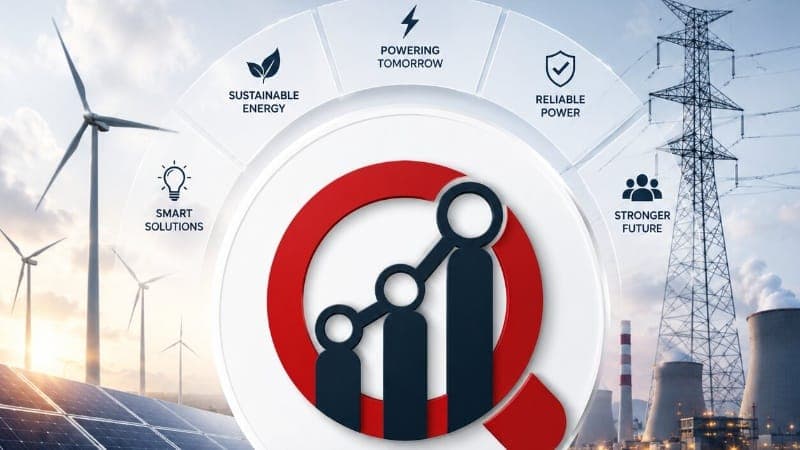
The humble power strip, once a simple and overlooked utility, has become an essential component of the modern, device-filled home and office. As Americans surround themselves with more electronics—from computers and monitors to smart speakers and phone chargers—the need for safe, convenient, and intelligent power distribution has never been greater. The traditional common power strip is now being challenged by smart and specialized alternatives that offer energy monitoring, remote control, and enhanced protection. According to comprehensive analysis from Market Research Future, the US Power Strip Market was estimated at USD 3.15 billion in 2024 and is projected to grow from USD 3.28 billion in 2025 to USD 5.00 billion by 2035, exhibiting a compound annual growth rate (CAGR) of 4.3% during the forecast period 2025-2035. This growth reflects a fundamental shift in consumer expectations—from basic power delivery to connected, safe, and energy-aware electrical management.
Market Overview and Introduction
The US power strip market encompasses a range of devices designed to provide multiple electrical outlets from a single wall socket, often incorporating safety and convenience features. These products are ubiquitous in households, commercial offices, and industrial settings. The market is segmented by type into Common Power Strip (the largest segment, valued for simplicity and cost-effectiveness), Smart Power Strip (the fastest-growing segment, offering remote control, energy monitoring, and integration with smart home systems), and Specialized Power Strip (designed for specific applications such as workbenches or medical equipment). By protection type, the market covers Surge Protection (the largest segment, essential for safeguarding valuable electronics from voltage spikes) and Fuse Based Protection (the fastest-growing segment, appealing to budget-conscious consumers seeking basic protection). Key applications include Household (the largest segment, driven by increasing device density), Commercial (fastest-growing, fueled by the rise of remote and hybrid work models), and Industrial. Major players driving innovation include Schneider Electric (FR), Belkin International (US), Tripp Lite (US), CyberPower Systems (TW), Eaton Corporation (IE), APC by Schneider Electric (FR), Legrand (FR), and GE (US).
Key Growth Drivers
Several powerful forces are propelling the US power strip market forward. The growing demand for home office solutions is a primary driver. With approximately 30% of the US workforce engaged in remote work, the need for reliable power solutions has intensified. Home offices often contain computers, monitors, printers, routers, and other peripherals, all requiring safe and convenient access to power. This has increased demand for power strips with multiple outlets, USB ports, and surge protection. The rising awareness of electrical safety is another critical driver. With an increase in electrical fires and accidents attributed to faulty power strips or overloaded circuits, nearly 40% of consumers now consider safety features a primary purchasing factor. This has prompted manufacturers to innovate with overload protection, circuit breakers, and flame-resistant materials. Technological advancements in power strip design, including the integration of smart features such as remote control via smartphone apps and energy monitoring capabilities, are attracting tech-savvy consumers. The smart home technology market is projected to grow at a CAGR of 25% through 2026, directly benefiting the smart power strip segment. The shift towards eco-friendly products is influencing the market, with about 25% of consumers actively seeking sustainable power solutions. This includes power strips that minimize energy consumption during standby mode and use recyclable materials.
Consumer Behavior and E-commerce Influence
Consumer behavior in the US power strip market has been fundamentally reshaped by e-commerce. Unlike many industrial or B2B markets, power strips are frequently purchased by individual consumers for home or small office use, often through online channels. Amazon, Walmart.com, Best Buy, and manufacturer websites are primary research and purchase platforms. Buyers use online tools to compare product specifications (number of outlets, Joule rating for surge protection, cord length, USB port availability), read user reviews, watch demonstration videos, and assess brand reputation. The influence of online reviews and ratings is particularly strong. A power strip with thousands of positive reviews can quickly become a top seller, while products with safety complaints suffer rapid reputational damage. Digital marketing—including targeted ads, influencer reviews (particularly for smart home products), and email campaigns—heavily influences consumer consideration.
Technological Innovations and Emerging Trends
The US power strip market is at the forefront of several technological innovations. The rise of smart power strips is the most significant trend. These devices offer features such as remote on/off control via smartphone app or voice assistant (Alexa, Google Assistant), individual outlet control, energy usage monitoring (real-time and historical), and scheduling (e.g., turn off computer equipment at night). Some models can automatically cut power to "peripheral" outlets when the "master" device (e.g., computer) is turned off, eliminating phantom loads. Integration with IoT and AI is advancing. AI-driven power management systems can learn user habits and automatically optimize power usage. For example, a smart strip might learn that a home office is unoccupied between 1 PM and 2 PM and temporarily shut off non-essential devices. Advanced surge protection technologies, including more sophisticated Metal Oxide Varistors (MOVs) and thermal fuses, provide faster response times and higher Joule ratings, offering better protection for sensitive electronics. USB-C integration is becoming standard, with higher-power strips offering USB-C Power Delivery (PD) ports capable of charging laptops and tablets directly, eliminating the need for bulky wall adapters.
Conclusion
The US power strip market is on a steady growth trajectory, driven by the ever-increasing number of electronic devices in homes and offices, growing awareness of electrical safety, and the accelerating adoption of smart home technologies. With a projected CAGR of 4.3% through 2035, the market is set to expand from USD 3.28 billion to nearly USD 5.00 billion. Technological innovations such as smart power strips with IoT connectivity, advanced surge protection, and USB-C integration are transforming a simple utility into an intelligent energy management tool. A strong focus on sustainability, including energy savings from phantom load reduction and the use of eco-friendly materials, aligns with consumer values and regulatory trends. Despite challenges such as intense competition from low-cost imports, counterfeit products, and supply chain risks, the opportunities in smart strip development, e-commerce expansion, and specialized niches are substantial. For manufacturers, retailers, and investors, the message is clear: the humble power strip is becoming the intelligent, connected, and safe gateway to the modern, energy-aware
📖 Read more blogs: Jorvea — Free Guest Blogging & Content Publishing Platform
Frequently Asked Questions
What is The Evolving US Power Strip Market?
The humble power strip, once a simple and overlooked utility, has become an essential component of the modern, device-filled home and office. As Americans surround themselves with more electronics—fro...
Why is The Evolving US Power Strip Market important?
This article explains the key aspects of The Evolving US Power Strip Market in detail, covering essential information and practical insights.
How can I learn more about news?
Read the full article on Jorvea for comprehensive information about The Evolving US Power Strip Market and related topics.