Sudden Anger for No Reason: Causes, Symptoms
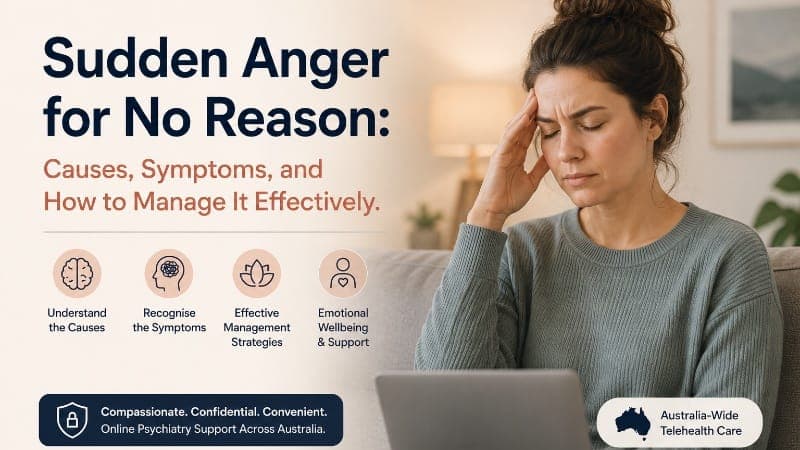
One moment you may feel completely fine, and the next you can become irritated, frustrated, or even enraged without an obvious trigger. In Australia, many people experiencing this struggle often assume something is “wrong with them,” but in reality, sudden anger is usually a signal that something deeper is happening emotionally, psychologically, or physically. Understanding the root causes is the first step toward managing them effectively, especially with the help of telehealth mental health services like ExpertMinds.
What Is Sudden Anger for No Reason?
Sudden anger for no reason refers to rapid emotional shifts where anger appears unexpectedly and feels disproportionate to the situation. While it may seem like there is no trigger, there is usually an internal or hidden cause, such as stress buildup, fatigue, or emotional suppression. These episodes can range from mild irritation to intense emotional outbursts and may last from a few seconds to longer periods, depending on the individual.
Common Causes of Sudden Anger
1. Chronic stress and burnout
One of the most common causes of sudden anger is long-term stress. When your body remains under constant pressure from work, study, finances, or family responsibilities, your nervous system becomes overloaded. This reduces your ability to regulate emotions, making small issues feel much bigger than they are. Over time, burnout can lead to emotional exhaustion and unpredictable anger responses.
2. Anxiety and emotional overload
Anxiety is not always about worry; it can also show up as irritability and anger. When your mind is constantly alert, even minor inconveniences can feel threatening. This emotional overload makes it difficult to stay calm, leading to sudden anger for no reason. Many Australians experiencing anxiety report feeling “on edge” all the time without understanding why they react strongly to small situations.
3. Hormonal imbalances
Hormones significantly influence mood and emotional stability. Changes in cortisol, thyroid hormones, oestrogen, and testosterone can all contribute to sudden anger. Conditions like PMS, PMDD, thyroid disorders, or even chronic stress-related cortisol imbalance can make emotional regulation more difficult.
4. Sleep deprivation and fatigue
Lack of sleep directly affects brain function, especially the areas responsible for emotional control. When you are tired, your brain becomes less able to process stress calmly, making you more reactive and impulsive. Even a few nights of poor sleep can increase irritability and emotional outbursts.
5. Unresolved emotional trauma
Past emotional trauma can also contribute to sudden anger. When certain triggers activate unresolved memories or emotions, the brain may respond with anger as a protective mechanism. This reaction is often automatic and not fully conscious, which is why it can feel like it comes out of nowhere.
6. Mental health conditions
Conditions such as depression, anxiety disorders, ADHD, and intermittent explosive disorder can all contribute to sudden anger. In many cases, irritability is a key symptom that is overlooked. These conditions affect brain chemistry and impulse control, making emotional reactions more intense and harder to manage.
Symptoms Associated with Sudden Anger
People experiencing sudden anger may also notice other signs such as increased heart rate, muscle tension, headaches, restlessness, difficulty concentrating, feeling overwhelmed, or regret after emotional outbursts. These symptoms indicate that the nervous system is under stress and struggling to regulate emotions effectively.
Impact on Daily Life
If left unmanaged, sudden anger can affect relationships, work performance, and overall quality of life. It may lead to misunderstandings with family members, conflict in the workplace, and feelings of guilt or shame afterward. Over time, this can also reduce self-confidence and increase emotional distress.
How to Manage Sudden Anger Effectively
1. Identify early warning signs
Learn to recognise physical and emotional cues before anger escalates. These may include tension in your body, faster breathing, or rising frustration.
2. Practice breathing techniques
Deep breathing helps calm the nervous system. Slow inhaling and exhaling can reduce the intensity of emotional reactions.
3. Improve sleep habits
Consistent sleep routines help regulate mood and improve emotional stability.
4. Reduce stress triggers
Where possible, reduce exposure to known stressors and build healthier daily routines.
5. Physical activity
Exercise helps release built-up tension and improves mood regulation through endorphin release.
6. Talk to a mental health professional
Through telehealth services in Australia, speaking with a professional can help identify root causes and develop personalised coping strategies. This is especially effective for individuals who feel stuck in repeated emotional cycles. ExpertMinds offers accessible online support to help individuals manage emotional regulation challenges from the comfort of their home.
When to Seek Help
You should consider seeking professional help if your anger feels uncontrollable, is affecting relationships, is becoming more frequent, or is causing distress in your daily life. Early intervention can significantly improve emotional well-being and prevent long-term difficulties.
Conclusion
Sudden anger for no reason is not something that happens randomly; it is usually a sign of underlying stress, emotional overload, or physical imbalance. By understanding the root causes and adopting healthy coping strategies, it is possible to regain control and improve emotional stability. With telehealth mental health support available across Australia, help is more accessible than ever, allowing you to manage anger safely and effectively.
📖 Read more blogs: Jorvea — Free Guest Blogging & Content Publishing Platform
Frequently Asked Questions
What is Sudden Anger for No Reason: Causes, Symptoms?
One moment you may feel completely fine, and the next you can become irritated, frustrated, or even enraged without an obvious trigger. In Australia, many people experiencing this struggle often assum...
Why is Sudden Anger for No Reason: Causes, Symptoms important?
This article explains the key aspects of Sudden Anger for No Reason: Causes, Symptoms in detail, covering essential information and practical insights.
How can I learn more about health and fitness?
Read the full article on Jorvea for comprehensive information about Sudden Anger for No Reason: Causes, Symptoms and related topics.