Bee Conservation Myths That Homeowners Should Stop Believing
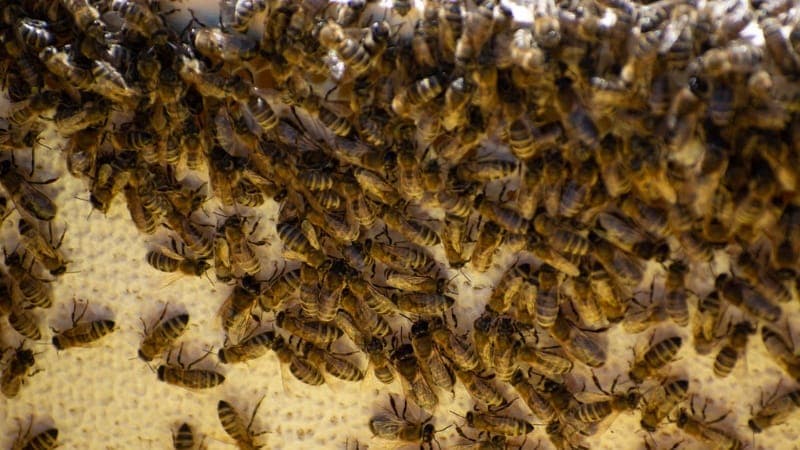
Bees play a crucial role in
maintaining healthy ecosystems, supporting plant reproduction, and contributing
to agricultural productivity. Despite their importance, misconceptions about
bee conservation remain widespread. Many people form opinions about bees based
on fear, outdated information, or popular myths rather than scientific
understanding. As a result, decisions regarding pollinator management are
sometimes based on assumptions that can unintentionally harm both bee
populations and local environments.
For homeowners, understanding the truth about bee conservation is becoming increasingly important. Residential landscapes now serve as valuable habitats for pollinators, especially in urban and suburban regions where natural habitats continue to shrink. Gardens, flowering plants, and green spaces can provide critical resources that help support local bee populations.
Unfortunately, misinformation often leads people to misunderstand the relationship between bees and residential properties. Some individuals assume all bees are dangerous, while others believe every bee should be protected regardless of circumstances.
Common Myths Homeowners Believe About Bees
One of the most persistent misconceptions among homeowners is the belief that all bees live in large hives. While honey bees form complex social colonies, many bee species are solitary. In fact, the majority of bee species do not live in large groups at all. Solitary bees create individual nests and rarely interact aggressively with humans. Another widespread myth suggests that all bees are endangered. While certain pollinator populations face significant challenges, not every bee species is experiencing the same level of decline. Conservation efforts are often most effective when tailored to specific species and regional ecological conditions rather than relying on broad assumptions.
Many people also believe that bees are naturally aggressive and likely to sting whenever approached. In reality, most bees prefer to avoid confrontation. Their primary focus is collecting nectar, gathering pollen, and reproducing. Stinging is generally a defensive response rather than normal behavior. Some individuals assume that seeing bees around a property automatically indicates a dangerous infestation. However, pollinator activity near flowers, gardens, and outdoor spaces is often completely normal. The presence of bees does not necessarily mean a colony has established itself within a structure.
The Truth About Bee Relocation
Conservation is often misunderstood as a process that excludes any form of intervention. In reality, responsible pollinator management frequently involves carefully planned actions that protect both bees and people. This balanced approach is especially relevant for homeowners who encounter colonies in residential settings. One important truth is that relocation can be a valuable conservation tool. When bee colonies establish themselves inside walls, attics, chimneys, or other structures, relocation may provide a solution that protects pollinators while addressing safety concerns. Properly conducted relocation efforts allow colonies to continue contributing to ecosystems in more suitable environments.
Another misconception is that professional assistance automatically results in harm to bees. Many modern pollinator management specialists prioritize humane methods and emphasize preservation whenever possible. Their goal is often to minimize disruption while resolving conflicts between colonies and property owners. For example, individuals researching environmentally responsible options may encounter services such as a bee removal service in Glendale, LA while exploring solutions that prioritize safe colony relocation and long-term conservation outcomes rather than unnecessary extermination practices.
The role of habitat creation is also frequently misunderstood. Supporting pollinators involves more than simply avoiding harm. Providing access to flowering plants, native vegetation, water sources, and nesting opportunities helps create environments where bees can thrive naturally. Conservation efforts benefit from adaptability. Different bee species have different habitat requirements, nesting preferences, and ecological roles. Understanding these distinctions allows for more effective management strategies that address specific circumstances rather than relying on generalized assumptions.
How Homeowners Can Support Pollinators Without Following Myths
Creating pollinator-friendly environments does not require drastic changes or complicated interventions. In many cases, simple and informed actions can make meaningful contributions to local ecosystems. For homeowners, the key is focusing on evidence-based practices rather than relying on popular misconceptions. One effective strategy involves increasing plant diversity. Gardens containing a variety of flowering species provide food sources throughout different seasons. Continuous access to nectar and pollen supports pollinator populations more effectively than limited seasonal blooms.
Maintaining natural nesting opportunities can also support pollinator health. Many bee species require specific nesting habitats, including bare soil, hollow stems, dead wood, or other natural features. Preserving suitable nesting areas contributes to healthier populations. Education remains a powerful conservation tool. Learning to identify common pollinator species helps individuals distinguish beneficial insects from potential pests. Accurate identification often reduces unnecessary fear and promotes more thoughtful responses to bee activity.
Community involvement further strengthens conservation efforts. Neighborhoods that share knowledge about pollinator-friendly practices can collectively create larger networks of supportive habitats. These connected landscapes often provide greater ecological benefits than isolated efforts. Observing bee behavior rather than reacting immediately to every sighting can also be helpful. Most pollinators are simply performing routine activities and pose little threat to people. Understanding normal behavior patterns reduces misunderstandings and encourages coexistence.
Building a Better Future Through Bee Conservation Awareness
The future of pollinator conservation depends largely on public understanding and participation. As environmental challenges continue to evolve, informed communities will play an increasingly important role in supporting biodiversity and ecological resilience. For homeowners, awareness represents the foundation of effective conservation. Accurate information enables better decisions regarding landscaping, habitat management, and interactions with pollinators. When people understand the realities of bee behavior, they are more likely to adopt practices that benefit both wildlife and residential communities.
Many common beliefs about bees are based on misunderstandings rather than facts. By challenging these misconceptions, homeowners can make more informed decisions that support pollinator populations while maintaining safe and functional living spaces. Responsible conservation is not about blindly accepting every myth or avoiding all intervention. Instead, it involves understanding bee behavior, recognizing ecological needs, and implementing practical solutions grounded in accurate information. Through education, awareness, and thoughtful action, communities can contribute meaningfully to pollinator conservation while creating healthier and more sustainable environments for future generations.
📖 Read more blogs: Jorvea — Free Guest Blogging & Content Publishing Platform
Frequently Asked Questions
What is Bee Conservation Myths That Homeowners Should Stop Believing?
Bees play a crucial role in maintaining healthy ecosystems, supporting plant reproduction, and contributing to agricultural productivity. Despite their importance, misconceptions abo...
Why is Bee Conservation Myths That Homeowners Should Stop Believing important?
This article explains the key aspects of Bee Conservation Myths That Homeowners Should Stop Believing in detail, covering essential information and practical insights.
How can I learn more about health-and-fitness?
Read the full article on Jorvea for comprehensive information about Bee Conservation Myths That Homeowners Should Stop Believing and related topics.