How to Keep Printed Fabric Looking New for Longer
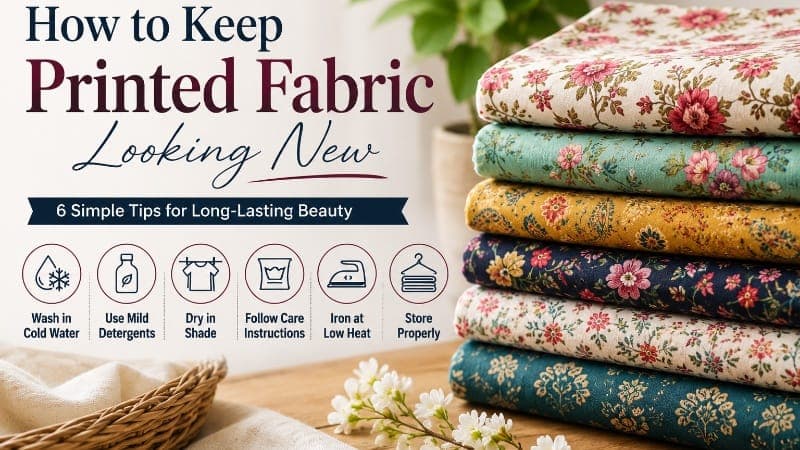
Printed fabrics are known for their vibrant colors and intricate patterns, but keeping them looking fresh requires the right care. Whether you've recently purchased pieces from an unstitched lawn collection or have favorite fabrics you've been saving for a special outfit, proper washing, drying, and storage can help preserve their beauty. With a few simple habits, you can protect both the color and quality of your clothes for seasons to come.
Printed fabrics often feature delicate dyes and detailed patterns that deserve extra attention. Unlike plain fabrics, they are more likely to show signs of fading or wear if exposed to harsh detergents, excessive heat, or improper storage. Taking a little extra care can make a noticeable difference in how your garments look over time. Whether you enjoy stitching your own outfits or buying fabric to create custom designs, maintaining your fabric properly ensures that every outfit continues to look polished and elegant. These simple care practices not only help preserve the appearance of the fabric but also reduce the need for frequent replacements, making them a smart habit for every wardrobe.
Taking care of printed fabrics doesn't require complicated routines—just a few thoughtful habits. By washing with cold water, choosing mild detergents, drying away from direct sunlight, following the care label, ironing at the correct temperature, and storing fabrics properly, you can preserve both their beauty and durability.
Whether you've invested in a new unstitched lawn collection or are caring for cherished printed outfits already in your wardrobe, these simple practices will help keep every piece looking vibrant and elegant for years. With the right care, your favorite printed fabrics can continue to look as fresh and beautiful as the day you brought them home.
6 Tips to Keep Your Printed Fabric Looking New
Good fabric care starts long before your outfit is stitched. These practical tips will help maintain the appearance, texture, and longevity of your printed fabrics.
1. Clean the Printed Material Using Cold Water
The easiest way of preserving the quality of your printed fabric is to wash it using cold water. The use of hot water may cause fading of your printed design and weakening of the material due to the washing process. The use of cold water helps preserve the quality of your fabric since it does not weaken the fibers and preserves the color of your print.
In order to clean your printed fabric effectively and prevent weakening of its structure, you should wash it manually or with the use of a delicate program and washing powder for delicate clothes. In addition, you need to turn your fabric inside out and use cold water only.
Cold water washing also reduces friction between the fabric fibers, helping the printed surface remain smooth and vibrant. If the garment is only lightly worn, a quick gentle wash is usually enough to refresh it without putting unnecessary stress on the material. Avoid soaking printed fabrics for long periods, as this can gradually affect the color intensity, especially on darker shades.
2. Make Use of Milder Detergents
Using a specific type of detergent will affect the look and longevity of your printed fabric. Although tough detergents will do a great job in removing dirt and grime from the cloth, they will make it look dull and feel tough after some time. A milder detergent will not only retain the softness of the fabric but also keep the colors looking fresh.
Ensure that you use an appropriate amount of detergent since too much of it might be harmful to the cloth’s look and feel. You might want to go for a detergent that is specially made for delicate and colored fabrics.
It is also helpful to avoid products that contain bleach or strong whitening agents unless the care label specifically recommends them. If you're washing multiple garments together, separate heavily soiled clothes from printed fabrics to prevent unnecessary exposure to harsh cleaning conditions.
3. How to Dry Your Fabric
As vital as washing the fabric is the drying technique used on the printed fabric. This is because direct sunlight will cause fading in the bright color of the fabric. Drying outdoors should not be an issue, but too much of direct sunlight might result in a dulling of the design of the fabric over time.
The best approach would be to dry the fabric in a shaded place, allowing it to air-dry naturally. In addition, turning the fabric inside out when hanging helps protect the print from any damage. Heat during the drying process through tumble-drying should be avoided as it affects the life of the fabric.
Proper airflow is equally important. Hanging garments with enough space between them allows moisture to evaporate evenly, reducing the chance of unpleasant odors or mildew. If you need to dry your clothes indoors, choose a well-ventilated room instead of placing them near heaters or radiators, as concentrated heat may damage both the print and the fabric fibers.
4. Always Read the Fabrics' Care Instructions
It must be known that not all printed fabrics are manufactured and processed in the same way; therefore, adherence to the care labels is very important for maintaining the quality and condition of the product. It must be noted that different brands have different methods in manufacturing their fabrics, and this means that the methods of washing, drying, or ironing the fabric might be different as well.
For instance, many top brands' collections as M.Basics , come with very specific care instructions. Instead of washing printed clothes in a similar way, follow the instructions that correspond to your fabric.
Care labels also provide valuable information about water temperature, ironing limits, and whether dry cleaning is recommended. Spending a few seconds reading these instructions before washing can prevent accidental damage and help your garments maintain their original appearance after repeated use.
5. Ironed Fabric with Appropriate Heat
Improper heat from ironing is likely to destroy the printed fabric as well as make the colors dull. The application of too much heat will result in fading, making shining marks and even spoiling any decoration present in the print. Proper heat setting will ensure that not only will your fabric be in good condition but also will have a professional look.
The best way to iron the printed fabric is to do it in reverse side or put a white cotton cloth between the iron and the printed side. The heat should not be too much, but rather low or medium. In case the fabric has any embroidery and decorations, the best technique of ironing is using the steam method.
If the fabric has become wrinkled after storage, avoid pressing the iron in one spot for too long. Keep the iron moving gently across the surface to distribute heat evenly. Using a steam iron at an appropriate setting can remove wrinkles effectively without placing unnecessary stress on the printed design.
6. Store Your Fabric Correctly Between Seasons
Storing your fabric is as much important as cleaning and ironing the printed fabric. This is because if the fabric is kept in moist conditions or even in the sunlight, it will definitely cause fading, discoloration, and even mildew. As much as you may take good care of your prints, if it is not stored properly, it will spoil the look of the prints.
The most suitable way would be to store your printed fabric or even the dress that has been stitched from it in a cool and dry place where there is no moisture and no sunlight at all. It will be best if you folded the fabric properly with no folds or even hang it in padded hangers.
If you're storing fabrics for several months, consider using breathable cotton storage bags instead of plastic covers. Cotton allows air to circulate while protecting the fabric from dust. Adding natural moisture absorbers, such as silica gel packets, can also help prevent humidity from affecting delicate fabrics during seasonal storage.
Conclusion
Taking care of printed fabrics doesn't require complicated routines—just a few thoughtful habits. By washing with cold water, choosing mild detergents, drying away from direct sunlight, following the care label, ironing at the correct temperature, and storing fabrics properly, you can preserve both their beauty and durability. Whether you've invested in a new unstitched lawn collection or are caring for cherished printed outfits already in your wardrobe, these simple practices will help keep every piece looking vibrant and elegant for years. With the right care, your favorite printed fabrics can continue to look as fresh and beautiful as the day you brought them home.
Caring for printed fabrics is not just about maintaining their appearance—it also helps preserve the comfort and quality of the material. Simple habits, such as sorting clothes before washing, avoiding harsh chemicals, and storing fabrics in the right conditions, can make a noticeable difference over time. Regular maintenance prevents unnecessary wear and keeps colors looking bright for longer. Whether your fabric is stitched into an everyday outfit or saved for a special occasion, giving it proper care ensures it remains in excellent condition. A little extra attention today can help you enjoy your favorite printed pieces for many seasons to come.
📖 Read more blogs: Jorvea — Free Guest Blogging & Content Publishing Platform
Ali Mahmood
Contributor at Jorvea — Free Guest Blogging & Content Publishing Platform
Frequently Asked Questions
1. How often should I wash printed fabrics?
Printed fabrics should only be washed when necessary to reduce wear and prevent color fading. Using a gentle wash cycle or hand washing with cold water helps preserve the fabric's print and texture for longer.
2. Can I dry printed fabrics in direct sunlight?
It is best to avoid prolonged exposure to direct sunlight, as UV rays can cause printed designs to fade over time. Air-drying your fabric in a shaded, well-ventilated area is the safest option.
3. What is the best way to iron printed fabrics?
Iron printed fabrics on the reverse side using a low to medium heat setting. For added protection, place a clean cotton cloth between the iron and the printed surface, especially if the fabric has delicate prints or embellishments.
4. How should I store printed fabrics to keep them in good condition?
Store printed fabrics in a cool, dry place away from direct sunlight and moisture. Folding them neatly or hanging them on padded hangers, along with using breathable storage bags, helps maintain their color, shape, and overall quality.



_1783609145381.jpg&w=1200&q=75)