How Auto Recycling Conserves Resources
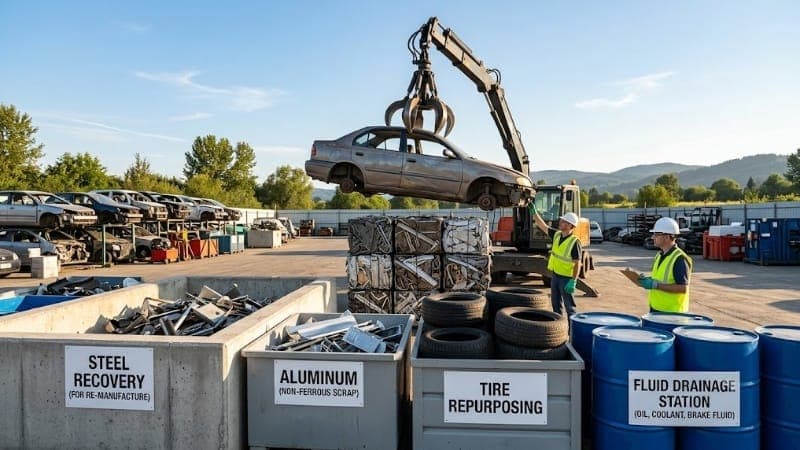
When a vehicle finally reaches the end of its usable life, it ceases to be a mode of transportation and transforms into a complex environmental challenge. Millions of cars are retired globally every single year, creating a massive influx of metal, plastics, rubber, and potentially hazardous chemicals. Historically, many of these end-of-life vehicles (ELVs) were simply abandoned or left to rust in sprawling junkyards, creating long-term ecological liabilities. However, the modern auto recycling industry has revolutionized how we handle these retired machines. Today, automotive recycling is not just a waste management solution; it is a critical pillar of environmental sustainability and resource conservation.
To truly understand the value of auto dismantling, one must look past the rust and crushed metal to see the intricate circular economy at work. Vehicles are among the most heavily recycled consumer products in the world, and the environmental benefits of this process cascade across multiple industries and ecosystems.
The Power of Resource Conservation: Steel and Beyond
The most immediate and profound benefit of car recycling lies in the conservation of raw materials, primarily steel. The average automobile consists of approximately 65 percent steel and iron. When an old car is responsibly dismantled and crushed, this metal is meticulously sorted, melted down, and repurposed to create new products—ranging from new automotive frames to construction materials and household appliances.
The environmental mathematics of this process are staggering. Using recycled scrap steel rather than virgin iron ore to produce new steel reduces water pollution by up to 76 percent and mining wastes by 97 percent. Furthermore, it completely eliminates the environmentally destructive processes of iron ore mining, processing, and transportation. By keeping this metal in a continuous loop of use and reuse, auto recyclers drastically reduce the depletion of the earth's finite natural resources.
Mitigating Hazardous Waste: The Silent Threat of Automotive Fluids
While the sheer volume of metal in a car makes it a prime candidate for recycling, the fluids and chemicals housed within the vehicle present a severe environmental threat if handled improperly. A typical car contains motor oil, transmission fluid, brake fluid, engine coolant, power steering fluid, and battery acids.
If an end-of-life vehicle is left to decay in a field or an unregulated landfill, these toxic substances inevitably leak into the surrounding soil. From there, they can easily migrate into groundwater supplies, contaminating local ecosystems and posing severe health risks to both wildlife and human populations. Professional auto recycling facilities implement strict, highly regulated depollution processes. Before a vehicle is ever dismantled or crushed, technicians carefully drain, capture, and store all hazardous fluids. Many of these fluids, such as engine oil, can be refined and reused, while others are neutralized and disposed of according to stringent environmental safety standards.
Energy Conservation and Greenhouse Gas Reduction
The environmental toll of manufacturing a brand-new vehicle from scratch is immense. Extracting raw materials, refining them, and powering the heavy machinery required to stamp and assemble automotive parts demands vast quantities of energy, predominantly sourced from fossil fuels.
Recycling fundamentally alters this energy equation. It takes significantly less energy to melt down existing scrap metal than it does to refine raw ores. Specifically, recycling steel saves about 60 percent of the energy required to produce steel from iron ore. This massive reduction in energy consumption directly translates to a proportionate decrease in greenhouse gas emissions. By lowering the carbon footprint associated with metal production, auto recycling plays a direct, measurable role in the global fight against climate change and atmospheric pollution.
Beyond Metal: Plastics, Glass, and Rubber
While steel is the most recognized recyclable component of a car, modern vehicles contain increasing amounts of plastics, composite materials, and rubber. Decades ago, these non-metallic components—often referred to as automotive shredder residue (ASR)—were destined exclusively for landfills.
Today, technological advancements in the recycling sector have vastly improved the recovery rates of these materials. Tires are stripped and repurposed into asphalt for roadways, playground surfaces, and athletic tracks. Automotive glass can be reclaimed and transformed into fiberglass insulation or decorative glass products. Even various plastics from dashboards and bumpers are increasingly being melted down and molded into new consumer goods. This comprehensive approach ensures that the absolute maximum amount of material is diverted from the waste stream.
Preserving Precious Landfill Space
Landfills are rapidly approaching capacity in urban centers and municipal districts around the world. Vehicles are bulky, taking up an exorbitant amount of physical space. If every retired car were simply buried in a landfill, we would face an unprecedented municipal waste crisis, requiring the destruction of countless acres of natural habitats to create new disposal sites. By stripping vehicles down to their bare components and recycling the raw materials, the auto recycling industry prevents millions of tons of waste from ever reaching a landfill.
A Sustainable Path Forward
Ultimately, the disposal of a vehicle is not the end of its story, but rather a transition. Through professional dismantling, depollution, and material recovery, old cars become the foundational building blocks for new industries. The environmental benefits—ranging from the protection of groundwater to the reduction of carbon emissions and the conservation of irreplaceable natural resources—are undeniable. As society continues to strive toward more sustainable living practices, recognizing and supporting the vital environmental lifeline provided by the auto recycling industry remains more important than ever.
Learn more: https://www.carremovalsydney.com.au/
📖 Read more blogs: Jorvea — Free Guest Blogging & Content Publishing Platform
Frequently Asked Questions
What is How Auto Recycling Conserves Resources?
When a vehicle finally reaches the end of its usable life, it ceases to be a mode of transportation and transforms into a complex environmental challenge. Millions of cars are retired globally every s...
Why is How Auto Recycling Conserves Resources important?
This article explains the key aspects of How Auto Recycling Conserves Resources in detail, covering essential information and practical insights.
How can I learn more about travel?
Read the full article on Jorvea for comprehensive information about How Auto Recycling Conserves Resources and related topics.