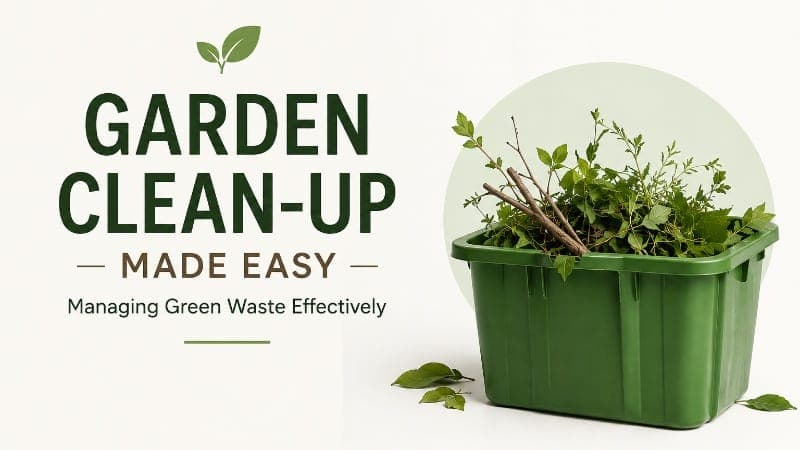
Garden Clean-Up Made Easy: Managing Green Waste Effectively
A well-maintained garden can completely transform the appearance of a property. Whether you have a small backyard, a large landscaped garden, or a property with mature trees, regular maintenance helps keep outdoor spaces attractive, healthy, and enjoyable throughout the year.
However, every garden clean-up project creates one unavoidable challenge: green waste.
Grass clippings, fallen branches, weeds, leaves, hedge trimmings, and old plants can accumulate surprisingly quickly. What begins as a simple weekend gardening task can leave homeowners wondering what to do with several piles of organic waste.
Many people underestimate the amount of debris generated during seasonal garden maintenance. Without a proper disposal plan, waste can become difficult to manage, create safety hazards, and even attract pests.
The good news is that managing green waste does not have to be complicated. With the right approach, you can keep your garden tidy while ensuring waste is handled responsibly and efficiently.
Understanding What Counts as Green Waste
Before planning a garden clean-up, it helps to understand what green waste actually includes.
Green waste refers to biodegradable organic material that comes from gardens and landscaping activities. Common examples include:
-
Grass clippings
-
Leaves
-
Small branches
-
Hedge trimmings
-
Weeds
-
Flowers and plants
-
Bark and mulch
-
Pruned shrubs
-
Garden vegetation
Because these materials break down naturally, they can often be recycled into compost, mulch, or other useful products rather than being sent to landfill.
However, not all outdoor waste belongs in the same category.
Items such as treated timber, plastic plant pots, garden furniture, fencing materials, soil contaminated with chemicals, and construction debris from landscaping projects may require separate disposal methods.
Knowing the difference helps prevent contamination and ensures waste can be processed correctly.
Why Green Waste Builds Up Faster Than Expected
Many homeowners begin a garden project expecting to fill only a few rubbish bags. By the end of the day, they often find themselves dealing with a mountain of branches, leaves, and plant material.
Several factors contribute to this.
Trees and shrubs continue growing throughout the year, especially during warmer months. Seasonal changes can also result in significant leaf fall and dead vegetation.
Landscaping projects create even larger amounts of waste. Removing old plants, reshaping garden beds, trimming overgrown hedges, or clearing an unused section of the yard can generate far more debris than regular maintenance tasks.
Storms can make the situation even worse.
Strong winds and heavy rain often leave gardens covered with broken branches, damaged plants, and scattered organic material that must be removed quickly to restore safety and appearance.
Without a disposal plan, these piles can remain in the yard for weeks, taking up valuable space and making the property look neglected.
Planning a Garden Clean-Up Before You Start
One of the easiest ways to make garden maintenance less stressful is to create a simple clean-up plan before beginning any work.
Start by assessing the size of the project.
Walk around the property and identify areas that require attention. Look for overgrown hedges, fallen branches, dead plants, and sections that need pruning.
Next, estimate how much waste will be produced.
A few bags of leaves require a different solution than removing several mature shrubs or trimming multiple trees.
It is also helpful to separate materials into categories before starting.
For example, keep organic waste separate from general rubbish and recyclable materials. This makes disposal easier and helps ensure valuable green waste can be processed correctly.
Having a disposal method arranged beforehand prevents waste from piling up and allows the project to run more smoothly.
Practical Ways to Dispose of Green Waste
There are several effective ways to manage garden waste, depending on the amount generated and the type of material involved.
Composting at Home
Materials such as leaves, grass clippings, plant trimmings, and small branches can break down naturally over time and become nutrient-rich compost.
This compost can then be reused throughout the garden to improve soil quality and support healthy plant growth.
For homeowners with smaller gardens, composting can significantly reduce the amount of waste requiring removal.
However, large-scale garden projects often generate more material than a typical compost system can handle.
Mulching Organic Material
Another useful option is turning green waste into mulch.
Wood chips, bark, leaves, and shredded branches can be spread around garden beds to help retain moisture, suppress weeds, and regulate soil temperature.
Mulching provides ongoing benefits for plant health while reducing the need to transport waste elsewhere.
Many gardeners find this particularly useful after pruning trees and shrubs.
Council Green Waste Collection Services
Many Australian councils provide green waste collection programs for residents.
These services may include dedicated bins, scheduled collections, or special clean-up events throughout the year.
While convenient, collection limits often apply. Large volumes of branches, tree removals, or major landscaping projects may exceed what council services can accept.
Checking local guidelines before beginning a clean-up project can help avoid surprises.
Skip Bin Hire for Larger Projects
When dealing with substantial amounts of garden waste, a skip bin can be one of the most practical solutions.
Large garden renovations, seasonal property clean-ups, storm damage removal, and landscaping projects can generate far more waste than standard council collections are designed to handle.
Having a dedicated bin on-site allows waste to be collected as work progresses rather than piling up around the property.
For homeowners planning major outdoor projects, services such as Genie Skip Bins can help simplify waste management by providing an efficient and convenient disposal solution.
Common Green Waste Mistakes to Avoid
Even well-intentioned homeowners sometimes make mistakes that create additional work or increase disposal costs.
One of the most common issues is mixing different waste types together.
Combining green waste with construction materials, plastics, or household rubbish can prevent proper recycling and may result in additional sorting requirements.
Another mistake is allowing waste to accumulate for long periods.
Piles of leaves and garden debris can attract insects, rodents, and other unwanted pests. They may also become a fire hazard during hot, dry conditions.
Over-pruning is another problem.
Removing too much vegetation at once can stress plants and create unnecessary amounts of waste. A gradual maintenance approach is often healthier for the garden and easier to manage.
Many homeowners also underestimate the volume of waste generated during tree pruning.
A few branches can quickly become multiple trailer loads of material. Planning for disposal before beginning the work can prevent delays and frustration.
Making Garden Maintenance Easier Throughout the Year
The easiest green waste to manage is the waste that never has the chance to build up.
Regular maintenance helps prevent overwhelming clean-up projects and keeps gardens looking their best throughout the year.
Simple habits can make a significant difference:
-
Trim hedges regularly instead of waiting until they become overgrown.
-
Remove fallen branches after storms.
-
Pull weeds before they spread.
-
Clear leaves from garden beds and pathways frequently.
-
Prune trees according to seasonal recommendations.
-
Monitor plant growth before it becomes difficult to control.
By handling small tasks consistently, homeowners can avoid large waste volumes and reduce the time required for major garden clean-ups.
Another useful habit is keeping a simple garden maintenance calendar. Many homeowners only think about garden care when a problem becomes visible, but scheduling regular tasks throughout the year can prevent major clean-up projects from developing. For example, pruning certain shrubs during their recommended season can reduce excessive growth, while clearing leaves before they accumulate can protect lawns and garden beds from damage. A maintenance calendar does not need to be complicated. Even a few reminders each season can help you stay on top of garden care, reduce waste volumes, and make outdoor maintenance more manageable throughout the year.
Seasonal inspections are also beneficial.
Walking through the garden every few weeks allows potential problems to be identified early, making maintenance more manageable and cost-effective.
The Environmental Benefits of Responsible Green Waste Disposal
Proper green waste management benefits more than just individual properties.
Organic waste that is recycled, composted, or processed correctly can be transformed into valuable resources instead of occupying landfill space.
This reduces greenhouse gas emissions associated with waste decomposition and supports more sustainable waste management practices.
Recycled organic materials can be converted into compost, mulch, and soil conditioners that improve landscapes, parks, and agricultural land.
Responsible disposal also helps prevent illegal dumping, which can damage local ecosystems and create long-term environmental problems.
Every homeowner has an opportunity to contribute to a cleaner environment simply by making informed decisions about how garden waste is handled.
Final Thoughts
Garden maintenance is an important part of caring for any property, but managing the resulting green waste is equally important.
Whether you are clearing fallen leaves, trimming hedges, removing old plants, or undertaking a complete garden makeover, having a disposal strategy in place can save time, reduce stress, and keep your outdoor space organised.
Small amounts of waste may be suitable for composting or mulching, while larger projects often require more efficient solutions. The key is choosing a method that matches the scale of the work while ensuring materials are disposed of responsibly.
With proper planning and regular maintenance, garden clean-ups become far more manageable, allowing homeowners to spend less time dealing with waste and more time enjoying their outdoor spaces.
Atlas Blake
Contributor at Jorvea — Free Guest Blogging & Content Publishing Platform
Frequently Asked Questions
What is considered green waste?
Green waste includes biodegradable garden materials such as grass clippings, leaves, weeds, hedge trimmings, small branches, flowers, and plant cuttings. These materials can often be recycled into compost or mulch instead of being sent to landfill.
Can I put all garden waste in the same disposal bin?
Not always. While most organic garden materials can be disposed of together, items such as treated timber, plastic pots, garden furniture, soil contaminated with chemicals, and construction debris should be separated and disposed of according to local waste guidelines.
What is the best way to dispose of large amounts of garden waste?
For small amounts of waste, composting or council green waste collection may be sufficient. For larger projects such as landscaping, tree pruning, or seasonal garden clean-ups, hiring a skip bin can provide a more convenient and efficient disposal solution.
How can I reduce the amount of green waste my garden produces?
Regular maintenance is the most effective way to reduce green waste. Pruning plants regularly, removing weeds early, composting organic materials, and using mulch in garden beds can help prevent waste from accumulating and make garden clean-ups easier throughout the year.