• Home
  • software
  • Future of Electronic Health Records in Modern Healthcare
software

Future of Electronic Health Records in Modern Healthcare
Future of Electronic Health Records in Modern Healthcare
9 min read
1711 words
0 views

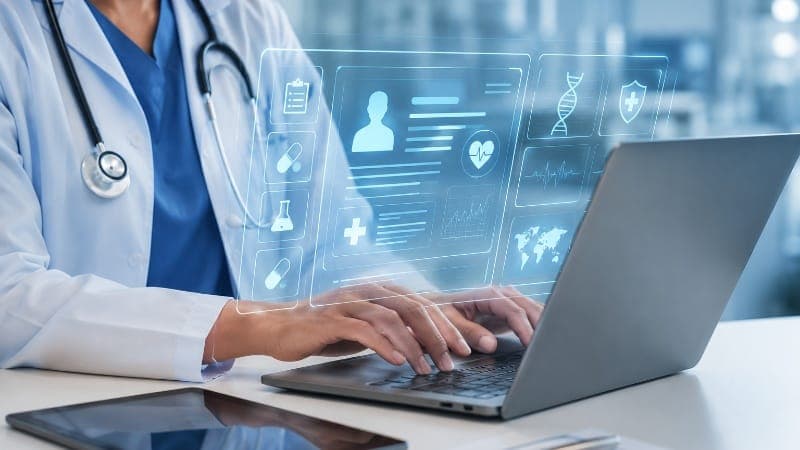
The healthcare industry is currently moving through a period of massive digital change. At the very center of this transformation is the way patient data is collected, stored, and utilized. Moving away from the era of disorganized paper charts, modern clinics now rely on sophisticated digital ecosystems to manage patient care. For any provider looking to improve patient outcomes and operational efficiency, choosing the best electronic health records software is no longer an option but a critical necessity. This technology acts as the foundation for a more connected and data-driven approach to medicine.

The Historical Shift in Patient Documentation

To understand the future, we must first look at the journey of medical documentation. For decades, medical records were physical folders stored in massive archives. These records were difficult to search and even harder to share between different specialists. If a patient visited a new doctor, their medical history often had to be sent via fax or mail, leading to significant delays.

The first generation of digital records aimed to solve the storage problem. . They functioned more like digital filing cabinets than clinical tools. Today, we are seeing a shift toward intelligent systems that do more than just store data. The focus has moved toward creating a dynamic record that actively assists the clinician during the patient encounter.

Achieving True Interoperability

One of the biggest goals for the future of healthcare is achieving true interoperability. In the past, different software systems could not communicate with each other. This created "data silos" where a patient's information was trapped within a single hospital or clinic. This lack of communication often led to medical errors and redundant testing.

Future systems are being built on universal data standards. This allows different platforms to exchange information seamlessly. When a patient moves from a primary care doctor to a specialist or an emergency room, their full medical history should be instantly available. This level of connectivity ensures that every member of a care team is working with the same updated information, which significantly improves the safety and quality of care.

Artificial Intelligence and Predictive Analytics

Artificial Intelligence (AI) is transforming the way doctors interact with medical records. Modern software is beginning to include AI-driven tools that analyze patient data in real time. These tools can identify patterns that might be invisible to the human eye, such as subtle changes in lab results over several years.

  • Predictive Modeling: AI can predict which patients are at a higher risk for chronic conditions like heart disease or diabetes.

  • Early Intervention: By identifying risks early, doctors can implement preventative treatments before a condition becomes severe.

  • Clinical Decision Support: Software can now offer suggestions for treatment plans based on the latest medical research and the patient’s unique history.

This transition from reactive care to proactive care is one of the most exciting developments in modern medicine. It allows for a more personalized approach that focuses on keeping patients healthy rather than just treating them when they are sick.

The Move to Cloud-Based Infrastructure

The traditional method of hosting medical records on local, physical servers is quickly becoming obsolete. The industry is moving rapidly toward cloud-based solutions. This shift offers several advantages for healthcare providers, ranging from cost savings to improved accessibility.

Cloud systems allow doctors to access patient files securely from any location. Whether they are in the office, at the hospital, or working from home, the data is always available. Additionally, cloud providers handle all the necessary security updates and hardware maintenance. This removes a significant technical burden from the medical staff, allowing them to focus entirely on patient care.

Empowering Patients Through Digital Access

The future of healthcare is becoming more patient-centered. Modern systems are designed to give patients more control over their own health data. Through enhanced patient portals, individuals can now view their lab results, schedule appointments, and message their doctors directly.

This transparency encourages patients to take a more active role in their wellness. When a patient can see their progress in a digital chart, they are more likely to follow their treatment plan. We are also seeing the integration of mobile apps and wearable devices. Data from smartwatches and fitness trackers can now be synced directly into the medical record, providing doctors with a continuous stream of health data between office visits.

Telehealth and the Virtual Care Revolution

Telehealth has changed the way patients access care, and its integration with medical records is vital. A modern system must be able to host virtual visits while simultaneously allowing the doctor to update the patient's chart. This creates a seamless experience for both the provider and the patient.

Future records will also support remote patient monitoring on a larger scale. For example, a patient with high blood pressure can use a connected cuff at home. The readings are automatically sent to their electronic record. If the numbers reach a dangerous level, the system can automatically alert the clinical team. This technology allows for constant supervision without the need for frequent in-person appointments.

Solving Physician Burnout with Automation

One of the major challenges in healthcare today is physician burnout. Many doctors feel overwhelmed by the amount of time they must spend on documentation. The next generation of medical software is designed to solve this problem through intelligent automation and better design.

Natural Language Processing (NLP) is a key technology in this area. It allows the software to understand and transcribe the doctor’s spoken words. Instead of typing for hours, doctors can simply dictate their notes. Some advanced systems can even listen to the conversation between the doctor and the patient and automatically generate a summary. This allows the doctor to focus on the person in front of them rather than the computer screen.

Strengthening Data Security and Privacy

As medical records become more digital, the importance of cybersecurity continues to grow. Protecting sensitive patient information is a top priority for every healthcare organization. Future systems are incorporating advanced security measures to defend against cyber threats.

  1. Multi-Factor Authentication: Ensuring that only authorized users can access the system.

  2. Advanced Encryption: Scrambling data so that it cannot be read if it is intercepted.

  3. Audit Logs: Keeping a detailed record of every person who views or edits a patient's file.

  4. Biometric Logins: Using fingerprints or facial recognition for an extra layer of security.

By building a secure digital environment, the healthcare industry can maintain the trust of the patients it serves. Ensuring HIPAA compliance is a continuous process that requires the most modern technological tools available.

Blockchain Technology in Healthcare

Blockchain is an emerging technology that could revolutionize how medical records are stored. Unlike a traditional database, a blockchain is a decentralized ledger. This means that the data is not stored in one single location, making it much harder to hack or change without authorization.

In a blockchain-based system, the patient could own their own medical data. They could grant temporary access to a doctor or a hospital as needed. This would solve many of the current problems with data sharing and interoperability. While this technology is still in its early stages, it represents a promising path toward a more secure and patient-controlled future.

Population Health and Big Data

When millions of medical records are analyzed together, it provides valuable insights into the health of an entire community. This is known as population health management. By looking at large sets of data, health officials can identify trends and allocate resources more effectively.

For example, if the data shows a sudden increase in a specific illness in a certain neighborhood, the health department can act quickly to investigate the cause. Big data also helps in the development of new treatments and medications. Researchers can use anonymized data from medical records to see which treatments are the most effective for different groups of people.

The Financial Side of Modern Records

A medical practice is not just a place of healing; it is also a business. The information captured in the clinical record is the foundation of the billing and reimbursement process. When the documentation is accurate and complete, the entire financial lifecycle of the practice runs more smoothly.

The complexity of insurance claims and government regulations can be overwhelming for many providers. To ensure they are compensated fairly for their work, many practices seek out the best medical billing services USA has to offer. These services work alongside the clinical software to manage the revenue cycle. By combining advanced technology with expert financial management, healthcare facilities can remain profitable while providing high-quality care. This partnership allows the clinical staff to stay focused on patients while the billing experts handle the administrative paperwork.

Customization and User Experience

Every medical specialty has different needs. A pediatrician requires different tools than an orthopedic surgeon. The future of healthcare technology is focused on highly customizable systems that adapt to the specific workflow of the provider.

User experience (UX) design is also becoming a major priority. Developers are working to make the software more intuitive and easier to use. By reducing the number of clicks required to complete a task, the software becomes a tool that saves time rather than consuming it. A well-designed interface leads to fewer errors and a more efficient office environment.

The Impact on Diagnostic Accuracy

Digital records are significantly improving the accuracy of medical diagnoses. When a doctor has instant access to a patient’s entire history, including past lab results, imaging studies, and medications, they are less likely to miss an important detail.

The software can also provide "real-time alerts." If a doctor enters a diagnosis that doesn't align with the laboratory data, the system can flag it for review. These safety nets are essential in modern medicine, where the sheer volume of information can sometimes lead to human oversight. Technology acts as a second set of eyes, ensuring that every patient receives the most accurate diagnosis possible.

Conclusion: A Connected Future

The future of Electronic Health Records is about much more than just going paperless. It is about creating an intelligent, connected, and secure system that supports every aspect of healthcare. By embracing AI, cloud technology, and better data sharing, we are building a healthcare system that is more efficient for providers and safer for patients.

As technology continues to advance, the gap between clinical care and administrative management will continue to shrink. Providers who invest in the right software and the right professional partnerships will be well-positioned to succeed in this new era. Ultimately, the goal is to use these digital tools to restore the focus on the patient, ensuring that every individual receives the best care possible in a modern, data-driven world.

F

SEO Content Writer specializing in blogs, product descriptions, and website content. I create keyword-focused, user-friendly content that helps businesses improve search visibility and engage readers.

Frequently Asked Questions

What are the main benefits of switching to an EHR?

The primary benefits include improved patient safety through real-time alerts, better coordination between different doctors, easier access to medical history, and reduced administrative costs for the practice.

How does an EHR help in an emergency situation?

In an emergency, every second counts. An EHR allows emergency room doctors to instantly see a patient’s allergies, current medications, and past surgeries, even if the patient is unconscious or unable to speak.

Is my medical information safe from hackers?

Modern EHR providers use advanced encryption and cybersecurity measures that meet strict federal guidelines. These systems are often much more secure than paper records, which can be easily lost or stolen.

Can I access my own medical records online?

Yes, most modern systems include a patient portal. This allows you to log in securely from your computer or smartphone to view your test results, schedule appointments, and see your doctor’s notes.

How does the software help with medical billing?

The software automatically captures the codes for the procedures and diagnoses entered by the doctor. This data is then used to generate insurance claims, which reduces errors and ensures the practice gets paid faster.
Share this article

Help others discover this content

Facebook
Twitter
WhatsApp
LinkedIn
Telegram
Reddit
Pinterest
Email