

EVA Encapsulant for Solar Panels
Solar energy has become one of the most reliable and sustainable sources of power around the world. As the demand for solar panels continues to grow, manufacturers are focusing on improving the quality, efficiency, and lifespan of solar modules. While solar cells often receive the most attention, several other materials play a vital role in ensuring a solar panel performs well for many years.
One such material is Solar EVA encapsulant. EVA, or Ethylene Vinyl Acetate, is a transparent polymer film used inside solar panels to protect solar cells and improve their durability. It acts as a protective layer that shields the cells from moisture, dust, heat, and other environmental factors.
In this article, we will explore what EVA encapsulant is, why it is important, its benefits, applications, and how it contributes to the long-term performance of solar panels.
What Is EVA Encapsulant?
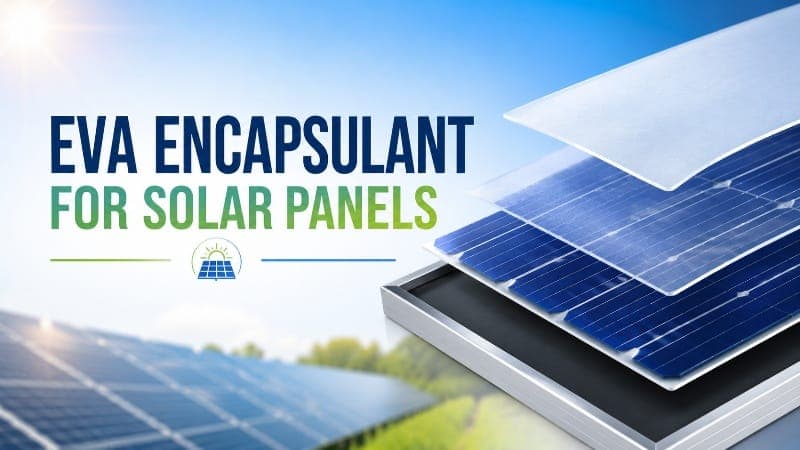
EVA encapsulant is a specially designed film used in the manufacturing of solar panels. It is placed between the solar cells and the outer layers of the module, helping to hold all components together while protecting the solar cells from external damage.
During the solar panel manufacturing process, the EVA film is heated and laminated, allowing it to bond firmly with the glass, solar cells, and backsheet. Once the lamination process is complete, EVA forms a strong and durable protective layer.
Key Characteristics of EVA Encapsulant
High Transparency
EVA film allows sunlight to pass through easily, helping solar cells absorb maximum sunlight and generate more electricity.
Excellent Adhesion
It bonds strongly with different solar module materials, ensuring that the panel remains stable throughout its lifespan.
UV Resistance
Solar panels are constantly exposed to sunlight. EVA helps protect solar cells from harmful ultraviolet rays.
Weather Resistance
EVA can withstand changing weather conditions, including rain, humidity, heat, and cold temperatures.
Electrical Insulation
The material acts as an insulating layer, helping improve the safety and reliability of solar modules.
Why Is EVA Encapsulant Important?
Solar panels are expected to operate efficiently for 25 years or more. During this time, they face many environmental challenges such as moisture, temperature changes, dust, and strong sunlight.
EVA encapsulant plays a key role in protecting solar cells from these conditions and maintaining module performance.
Protection Against Moisture and Dust
Moisture is one of the biggest threats to solar panel performance. If water enters the module, it can damage the solar cells and reduce energy production. EVA creates a protective barrier that helps prevent moisture and dust from reaching sensitive components.
Resistance to UV Radiation and Temperature Changes
Solar panels experience continuous exposure to sunlight and temperature fluctuations. EVA helps absorb stress caused by these conditions and protects the cells from long-term damage.
Mechanical Support for Solar Cells
Solar cells are thin and fragile. EVA provides cushioning and support, reducing the risk of cracks and physical damage during transportation, installation, and operation.
Benefits of EVA Encapsulant for Solar Panels
Improved Solar Panel Efficiency
One of the major advantages of EVA encapsulant is its high light transmission capability. Because it allows more sunlight to reach the solar cells, the panel can generate electricity more efficiently.
A high-quality EVA film minimizes light loss and helps maintain stable energy output over time.
Enhanced Durability and Reliability
Solar panels are long-term investments. EVA contributes to the overall durability of the module by protecting the solar cells from environmental stress.
This protection helps ensure consistent performance throughout the panel's operational life.
Better Light Transmission
Modern EVA films are designed to be highly transparent. Better transparency means more sunlight reaches the solar cells, resulting in improved energy generation.
This feature makes EVA an important material for both standard and high-efficiency solar modules.
Reduced Risk of Delamination
Delamination occurs when different layers of a solar panel begin separating from each other. This issue can affect performance and shorten the panel's lifespan.
EVA provides strong bonding between module components, helping reduce the risk of layer separation.
Cost-Effective Protection
Compared to some alternative encapsulation materials, EVA offers an excellent balance between performance and cost. This is one reason why it remains the most widely used encapsulant in the solar industry.
How EVA Encapsulant Works in Solar Module Manufacturing
To understand the importance of EVA, it is useful to see where it fits within the structure of a solar panel.
Solar Panel Layer Structure
A typical solar panel consists of the following layers:
Front Glass
EVA Encapsulant Layer
Solar Cells
EVA Encapsulant Layer
Backsheet
The EVA layers surround the solar cells and provide protection from both the front and back sides of the module.
Lamination Process and EVA Cross-Linking
During the manufacturing process, EVA film is placed between the solar panel layers and laminated using heat and pressure. This creates a strong bond between the components, improving the panel's durability, weather resistance, and long-term performance.
Applications of EVA Encapsulant in the Solar Industry
EVA encapsulant is used in a wide range of solar energy projects.
Residential Solar Panels
Homeowners rely on solar panels to reduce electricity bills and improve energy independence. EVA helps ensure these systems remain efficient and reliable for many years.
Commercial Solar Installations
Businesses often install larger solar systems to lower energy costs. EVA contributes to the durability and performance needed for commercial applications.
Utility-Scale Solar Farms
Large solar farms contain thousands of panels operating in different environmental conditions. EVA provides essential protection that supports long-term energy production.
High-Efficiency PV Modules
Many advanced photovoltaic modules use premium-grade EVA films to maximize performance and protect sensitive solar cell technologies.
Factors to Consider When Choosing EVA Encapsulant
Not all EVA films offer the same level of performance. Manufacturers should evaluate several factors when selecting an encapsulant.
Transparency Level
Higher transparency allows better sunlight transmission and improved module efficiency.
Cross-Linking Performance
Proper cross-linking improves durability, adhesion, and long-term reliability.
UV Stability
Good UV resistance helps maintain panel performance and reduces material degradation over time.
Thickness Requirements
Different module designs may require different EVA thickness levels depending on performance and protection needs.
Quality Standards
Choosing EVA from reputable manufacturers like raynex solar helps ensure consistent quality and long-term reliability.
Conclusion
EVA encapsulant plays a vital role in protecting solar cells and improving the durability of solar panels. Its high transparency, strong adhesion, and weather resistance help ensure reliable performance and long-term efficiency. As the solar industry continues to grow, EVA remains a trusted encapsulation material for building durable and efficient solar modules.
📖 Read more blogs: Jorvea — Free Guest Blogging & Content Publishing Platform
Frequently Asked Questions
What is EVA Encapsulant for Solar Panels?
Solar energy has become one of the most reliable and sustainable sources of power around the world. As the demand for solar panels continues to grow, manufacturers are focusing on improving the qualit...
Why is EVA Encapsulant for Solar Panels important?
This article explains the key aspects of EVA Encapsulant for Solar Panels in detail, covering essential information and practical insights.
How can I learn more about business and finance?
Read the full article on Jorvea for comprehensive information about EVA Encapsulant for Solar Panels and related topics.


_1781107150379.webp&w=1200&q=75)