

Why Is a Laminar Flow Cabinet Essential for Clean Processing
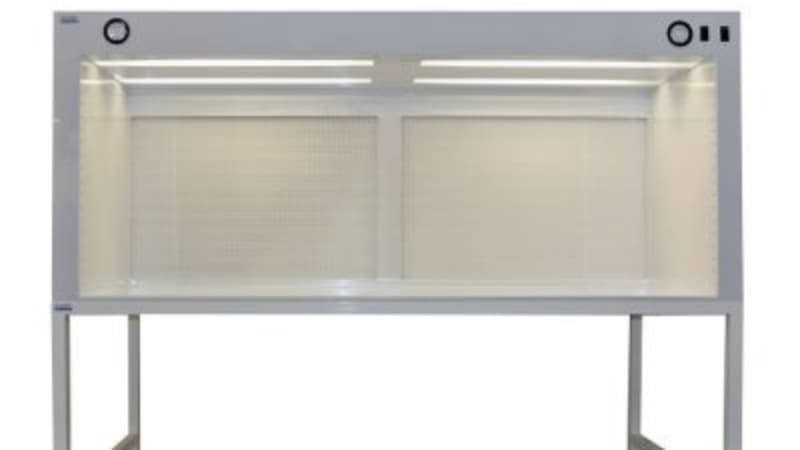
Clean processing is the foundation of quality, precision, and consistency in modern laboratories and controlled manufacturing environments. Whether you work with pharmaceutical compounds, biological samples, electronic components, or medical devices, even microscopic airborne contaminants can affect product integrity and process reliability. Dust particles, bacteria, mold spores, and other contaminants may seem insignificant, but they can lead to failed experiments, damaged products, regulatory issues, and increased operating costs.
To minimize these risks, you need equipment that creates a consistently clean workspace. A laminar flow cabinet provides a controlled environment by delivering filtered air in a smooth, unidirectional pattern across the work surface. This continuous airflow helps prevent airborne particles from settling on sensitive materials, allowing you to perform critical tasks with greater confidence and accuracy.
If your goal is to improve product quality, maintain sterile conditions, and reduce contamination-related failures, understanding the role of a laminar flow cabinet is essential. This article explains how it works, why it matters, and how it benefits a wide range of industries.
What Is a Laminar Flow Cabinet?
A laminar flow cabinet is a clean-air workstation designed to protect products, samples, and sensitive materials from airborne contamination. It uses a high-efficiency particulate air (HEPA) filter or an ultra-low penetration air (ULPA) filter to remove microscopic particles from incoming air before directing it evenly across the work area.
Unlike turbulent airflow, which allows particles to circulate unpredictably, laminar airflow moves in a single direction at a constant speed. This steady airflow continuously sweeps contaminants away from the work surface, creating a cleaner processing environment.
It is important to understand that a laminar flow cabinet primarily protects the product rather than the operator. If you work with hazardous chemicals or infectious materials, other containment equipment may be more appropriate. However, when product cleanliness is the priority, a laminar flow cabinet is one of the most effective solutions available.
Why Clean Processing Matters
Every industry that relies on precision understands the cost of contamination. A single airborne particle can compromise an entire production batch or invalidate valuable laboratory research.
Clean processing is essential because it helps you:
- Protect sensitive products from contamination
- Improve manufacturing consistency
- Support regulatory compliance
- Extend equipment life
- Improve research accuracy
- Lower operational costs
- Increase customer confidence
Without proper contamination control, even the most advanced equipment cannot consistently deliver reliable results.
How Laminar Airflow Creates a Controlled Environment
The effectiveness of a laminar flow cabinet comes from its carefully engineered airflow system.
Air first passes through a pre-filter that captures larger particles. It then moves through a HEPA or ULPA filter that removes extremely small contaminants. Finally, the purified air flows uniformly across the work surface before exiting the cabinet.
Because the airflow remains smooth and uninterrupted, airborne particles have fewer opportunities to settle onto products or samples.
This simple but highly effective design makes laminar flow cabinets indispensable for clean processing applications.
Protects Sensitive Products During Critical Processes
Many laboratory procedures involve materials that are highly susceptible to contamination.
These include:
- Cell cultures
- Tissue samples
- Pharmaceutical ingredients
- Medical devices
- Semiconductor wafers
- Optical components
- Precision instruments
- Sterile packaging materials
Even minimal contamination can alter research outcomes or reduce product performance.
Using a high-performance Laminar Flow Cabinet for sterile laboratory processing and contamination control helps create an environment where these valuable materials remain protected throughout each stage of production or research.
Improves Product Quality and Consistency
Quality begins with process control. When contaminants enter your workspace, they introduce unnecessary variability into your operations.
A laminar flow cabinet helps maintain consistent environmental conditions, allowing you to produce repeatable results.
Benefits include:
- Better product uniformity
- Higher manufacturing yields
- Improved experimental reproducibility
- Fewer rejected batches
- Reduced quality control failures
Consistency is especially important in regulated industries where every production run must meet strict quality standards.
Supports Regulatory Compliance
Many industries operate under rigorous cleanliness requirements established by organizations such as ISO, FDA, and GMP.
Maintaining a controlled environment demonstrates your commitment to quality assurance and contamination prevention.
Although equipment alone does not guarantee compliance, a properly maintained laminar flow cabinet becomes an important part of your overall quality management system.
It helps you establish standardized procedures that align with regulatory expectations while supporting documented cleanliness protocols.
Reduces Airborne Contamination
Airborne particles are one of the leading causes of contamination inside laboratories and manufacturing facilities.
These contaminants may include:
- Dust
- Skin particles
- Fibers
- Mold spores
- Bacteria
- Pollen
- Microscopic debris
Without proper airflow management, these particles settle on exposed products and equipment.
A laminar flow cabinet significantly reduces this risk by constantly moving filtered air over the work area, preventing contaminants from accumulating where precision matters most.
Increases Laboratory Efficiency
Contamination often causes delays that affect productivity.
When products become contaminated, you may need to:
- Repeat experiments
- Discard materials
- Reclean equipment
- Restart production
- Investigate quality issues
Each of these steps consumes valuable time and resources.
By reducing contamination incidents, a laminar flow cabinet helps your team complete projects more efficiently while minimizing unnecessary interruptions.
Supports Sterile Laboratory Procedures
Many laboratory activities require sterile handling conditions.
Examples include:
- Media preparation
- Sample transfer
- Sterile packaging
- Device assembly
- Microbiology research
- Pharmaceutical formulation
Clean airflow helps preserve sterile conditions throughout these procedures, reducing the possibility of accidental contamination.
This improves confidence in laboratory results while supporting higher operational standards.
Ideal for Multiple Industries
One reason laminar flow cabinets remain widely used is their versatility.
They support clean processing across industries including:
- Pharmaceutical manufacturing
- Biotechnology
- Medical research
- Healthcare laboratories
- Electronics manufacturing
- Aerospace engineering
- Semiconductor fabrication
- Food testing laboratories
- Universities
- Research institutions
Each of these environments benefits from improved contamination control and cleaner workspaces.
Protects Valuable Research
Scientific research often requires months or even years of preparation.
A single contamination event can invalidate experimental data and delay important discoveries.
Using a controlled workspace significantly reduces environmental variables, allowing researchers to generate more reliable and reproducible results.
For organizations investing heavily in research and development, contamination prevention becomes an investment in scientific accuracy itself.
Enhances Precision Manufacturing
Modern manufacturing increasingly relies on microscopic precision.
Whether assembling electronic components or producing medical devices, manufacturers cannot afford airborne contamination.
A laminar flow cabinet provides the clean conditions necessary for delicate assembly operations, improving both product reliability and customer satisfaction.
Reduces Long-Term Operating Costs
Although purchasing a laminar flow cabinet represents an initial investment, it often generates long-term savings.
Reduced contamination leads to:
- Less material waste
- Lower rework costs
- Fewer product recalls
- Improved productivity
- Better equipment protection
- Reduced downtime
These operational improvements can significantly offset equipment costs over time.
Designed for Reliable Performance
Modern laminar flow cabinets incorporate advanced engineering features that improve reliability and ease of use.
Common features include:
- HEPA or ULPA filtration
- Energy-efficient blowers
- Durable stainless steel interiors
- Transparent viewing panels
- Quiet operation
- Easy maintenance access
- Adjustable airflow controls
These features help maintain consistent performance while supporting daily laboratory operations.
Key Benefits of Using a Laminar Flow Cabinet
A laminar flow cabinet offers advantages that extend beyond contamination control. It supports operational excellence by improving efficiency, consistency, and product quality.
Some of the most valuable benefits include:
- Consistent clean-air environment
- Reduced airborne contamination
- Improved product quality
- Better research reproducibility
- Lower rejection and rework rates
- Enhanced workflow efficiency
- Compliance with cleanroom standards
- Protection for delicate materials
- Reduced maintenance caused by dust accumulation
- Long-term operational savings
These benefits make laminar flow cabinets an essential investment for facilities focused on precision and quality.
Best Practices for Using a Laminar Flow Cabinet
Even the most advanced equipment requires proper operating procedures. Following best practices helps you maximize contamination control while extending the life of your cabinet.
Clean the Workspace Before Every Use
Always disinfect the interior work surface before beginning any procedure. Remove unnecessary tools and supplies to reduce airflow obstruction and minimize particle generation.
Allow Airflow to Stabilize
Turn on the cabinet several minutes before starting work. This allows the airflow to stabilize and clears residual airborne particles from the work area.
Arrange Materials Properly
Organize supplies before beginning your work. Position frequently used items within easy reach while avoiding unnecessary movement that could disturb airflow.
Avoid Blocking Airflow
Large objects placed directly in front of the filter can interrupt airflow patterns and create contamination zones. Maintain adequate spacing between equipment to preserve smooth airflow.
Wear Appropriate Cleanroom Apparel
Although the cabinet protects your products, wearing gloves, clean garments, masks, and hair coverings further reduces contamination introduced by personnel.
Schedule Routine Maintenance
Regular inspection, airflow testing, and filter replacement help ensure your cabinet continues operating at peak performance for years.
Common Mistakes to Avoid
Many contamination problems result from improper operating practices rather than equipment failure.
Avoid these common mistakes:
- Overloading the workspace
- Blocking airflow vents
- Working too quickly and creating turbulence
- Skipping routine cleaning
- Neglecting filter maintenance
- Using damaged or uncertified filters
- Bringing contaminated materials into the cabinet
- Frequently reaching across sterile work areas
Eliminating these habits significantly improves clean processing performance.
Why Quality Matters When Selecting Laboratory Equipment
Not all laminar flow cabinets deliver the same level of performance. Build quality, airflow uniformity, filtration efficiency, and long-term reliability all influence contamination control.
Choosing equipment from an experienced manufacturer helps ensure that your cabinet performs consistently under demanding laboratory and industrial conditions.
For organizations seeking dependable contamination-control equipment, CleaTech LLC offers a wide selection of cleanroom products designed to support laboratories, pharmaceutical facilities, biotechnology companies, electronics manufacturers, aerospace applications, and research organizations. Their product portfolio focuses on delivering durable, high-performance cleanroom equipment that supports precision processing and long-term operational reliability.
Conclusion
A laminar flow cabinet is much more than a clean-air workstation—it is a critical component of quality assurance, contamination prevention, and process reliability. By supplying continuous HEPA- or ULPA-filtered airflow, it protects sensitive products from airborne particles, improves research accuracy, increases manufacturing consistency, and supports regulatory compliance.
Whether you operate a pharmaceutical laboratory, biotechnology facility, semiconductor manufacturing plant, medical device production line, or research institution, investing in the right laminar flow cabinet helps create a cleaner, safer, and more productive working environment.
When you choose equipment that matches your operational needs and maintain it properly, you gain long-term benefits through improved product quality, greater efficiency, reduced waste, and increased confidence in every process.
If you need expert guidance selecting the ideal clean-air solution for your application, Contact us today to discuss your laboratory or cleanroom requirements with experienced specialists.
📖 Read more blogs: Jorvea — Free Guest Blogging & Content Publishing Platform
Frequently Asked Questions
Why is a laminar flow cabinet essential for clean processing?
A laminar flow cabinet provides HEPA- or ULPA-filtered, unidirectional airflow that minimizes airborne contamination, helping protect sensitive products and maintain clean processing conditions.
What is the difference between a laminar flow cabinet and a biological safety cabinet?
A laminar flow cabinet protects the product from contamination, while a biological safety cabinet protects the product, operator, and environment when handling hazardous biological materials.
Which industries benefit most from laminar flow cabinets?
Pharmaceuticals, biotechnology, medical device manufacturing, semiconductor production, electronics assembly, healthcare laboratories, food testing, and research facilities commonly use laminar flow cabinets.
How often should HEPA filters be replaced?
Filter replacement depends on usage, operating conditions, and certification results. Regular inspections and performance testing help determine the appropriate replacement schedule.
Can a laminar flow cabinet improve product quality?
Yes. By reducing airborne contaminants, it helps improve manufacturing consistency, protect sensitive materials, and reduce defects caused by environmental contamination.




_1784799298873.png&w=1200&q=75)