Should You Leave a Skin Tag Alone or Have It Removed?
Skin tags are among the most common skin growths seen by medical professionals. They are usually harmless, but many people are unsure whether they should leave them alone or arrange to have them removed. Finding a small bump on your neck, underarm, eyelid, or any other area of your body can naturally leave you wondering if it should be examined by a medical professional. Visiting a Harley Street skin clinic allows you to receive an accurate diagnosis and personalised advice tailored to your skin, rather than relying on internet tips or home remedies.
For some people, a skin tag remains unchanged for years without causing any discomfort. For others, it can become irritated, catch on clothing, or affect confidence because of its location. Understanding the difference between a harmless skin tag and one that may benefit from treatment helps you make an informed decision about your skin health.
What Is a Skin Tag?
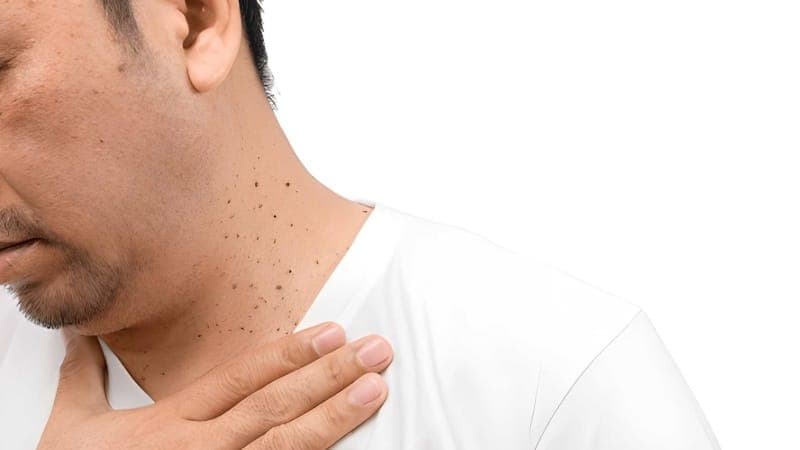
A skin tag is a small, soft growth that develops on the surface of the skin. A thin stalk attaches it and is usually flesh coloured or slightly darker than the surrounding skin. These growths are non-cancerous and are extremely common in adults.
Skin tags can vary in size. Some are no larger than a pinhead, while others grow big enough to become noticeable or uncomfortable. Although they are harmless in most cases, they can become troublesome if they are repeatedly rubbed or injured.
Unlike certain skin conditions, skin tags rarely cause pain on their own. Any discomfort usually occurs because they become twisted, rubbed by clothing, or caught during everyday activities.
Where Do Skin Tags Commonly Appear?
Skin tags usually develop in areas where the skin experiences repeated friction. Constant rubbing encourages these small growths to form over time.
Common locations include:
- The neck is where collars, necklaces, scarves, and shirt collars regularly come into contact with the skin throughout the day.
- Under the arms, where frequent movement and skin-to-skin contact create ongoing friction that may encourage skin tags to develop.
- Around the eyelids, where the skin is delicate, treatment requires careful assessment by an experienced medical professional.
- Beneath the breasts, where warmth and repeated rubbing often make skin tags more noticeable.
- Around the groin, where fitted clothing and daily movement can create continuous irritation.
Although these are the most common locations, skin tags can appear almost anywhere on the body.
Can You Leave a Skin Tag Without Having It Removed?
The simple answer is yes. Many skin tags never require treatment.
If the growth remains small, does not irritate, and does not interfere with daily activities, leaving it alone is often a perfectly reasonable option.
Some people have several skin tags that remain unchanged throughout their lives. They may never become painful, inflamed, or bothersome.
Choosing observation instead of immediate treatment can be suitable when:
- The skin tag does not catch on clothing, jewellery, or personal care items during normal daily activities.
- It has remained the same size and appearance for a long period without causing concern.
- It is located in an area where it causes no physical discomfort or cosmetic concern.
- A medical assessment has confirmed that it is a harmless skin tag requiring no further action.
Regular self-monitoring is still important. Any noticeable changes should be discussed with a healthcare professional.
When Does Removal Become a Good Option?
Although skin tags are harmless, there are situations where removal becomes a practical decision rather than a medical necessity.
Many people choose treatment because the growth repeatedly interferes with everyday life.
Professional removal may be worth considering if the skin tag:
- Frequently catches on clothing, necklaces, or shaving equipment, resulting in repeated irritation or bleeding.
- Becomes uncomfortable because it is located in an area exposed to constant rubbing.
- Affects your confidence because it is visible on your face, neck, or another noticeable area.
- Makes grooming, skincare, or dressing more difficult.
- Has become inflamed after repeated accidental injury.
In these situations, removing the growth can improve comfort while preventing further irritation.
Why Professional Assessment Matters
Before recommending treatment, an experienced medical practitioner carefully examines the growth to confirm that it is actually a skin tag.
This step is extremely important because several skin conditions can resemble skin tags during the early stages. Treating the wrong type of growth without proper assessment may delay diagnosis or lead to unnecessary complications.
Professional evaluation also allows your clinician to consider factors such as the size, location, and appearance of the growth before recommending the most suitable treatment method.
Rather than using the same approach for every patient, treatment is selected according to individual needs and the condition of the skin.
Why Home Removal Is Not Always Safe
Many websites, videos, and home treatment kits suggest that removing a skin tag is simple. While these methods may appear convenient, they often overlook the risks involved.
Attempting removal without medical supervision may lead to avoidable complications that are more difficult to manage than the original skin tag itself.
Potential risks include:
- Infection is caused by using non-sterile equipment or inappropriate techniques that expose the skin to bacteria.
- Excessive bleeding, particularly when larger skin tags contain a greater blood supply than expected.
- Permanent scarring that may become more noticeable than the original skin growth.
- Removing the wrong skin lesion because it was incorrectly assumed to be a harmless skin tag.
- Incomplete removal that allows irritation to continue and may require professional treatment later.
Choosing professional care helps reduce these risks through proper diagnosis, sterile equipment, and treatment performed by experienced clinicians.
What Happens During Professional Skin Tag Removal?
Professional treatment usually begins with a consultation rather than the procedure itself. During this appointment, the practitioner examines the skin growth, confirms that it is a skin tag, and discusses the most suitable treatment based on its size, location, and appearance.
Your medical history may also be reviewed if it is relevant to the procedure. This helps ensure the treatment is both safe and appropriate for your individual circumstances.
Once the assessment is complete, your practitioner will explain the available treatment options, the expected recovery, and any aftercare recommendations. Having this information allows you to make an informed decision before proceeding.
Common Skin Tag Removal Methods
There is no single treatment that is suitable for every patient. The most appropriate method depends on several factors, including the size of the growth, where it is located, and whether it has become irritated.
Some of the most commonly used professional techniques include:
Surgical Excision
This method involves removing the skin tag with a small sterile surgical instrument. It is often recommended for larger growths or those attached by a thicker stalk.
The procedure is performed with precision to minimise unnecessary damage to the surrounding skin. Depending on the area being treated, a local anaesthetic may be used to improve comfort.
Electrosurgery
Electrosurgery uses a carefully controlled electrical current to remove the skin tag while sealing small blood vessels at the same time.
This technique can reduce bleeding during the procedure and is often suitable for many common skin tags.
Cryotherapy
Cryotherapy removes certain skin tags by freezing the tissue. Over time, the treated growth naturally separates from the skin as it heals.
Not every skin tag is suitable for this approach, so your practitioner will advise whether it is an appropriate option for your individual case.
Does the Procedure Hurt?
One of the most common concerns is whether skin tag removal is painful.
For most patients, the procedure causes only mild discomfort. Smaller skin tags can often be removed quickly, while larger or more sensitive areas may require a local anaesthetic to improve comfort throughout the treatment.
Because the procedure is usually completed within a short appointment, many people find it far more straightforward than they expected.
What Can You Expect During Recovery?
Recovery following professional treatment is generally uncomplicated.
The treated area may appear slightly red or feel mildly tender for a short period. These temporary effects usually improve as the skin heals naturally.
Healing times vary depending on the size and location of the skin tag, but most people can return to their normal routine shortly after the procedure.
Supporting the healing process is simple when aftercare advice is followed carefully.
Helpful aftercare measures often include:
- Keeping the treated area clean and dry reduces the chance of infection during the early stages of healing.
- Avoid unnecessary rubbing, scratching, or picking while new skin forms naturally.
- Follow any wound care advice provided by your clinician until the area has fully healed.
- Protecting the treated skin from excessive sunlight if recommended during recovery.
- Contact your medical provider if you notice increasing redness, swelling, persistent pain, or any unexpected changes.
Good aftercare supports comfortable healing while reducing the likelihood of complications.
Are There Any Risks?
Every medical procedure carries some degree of risk, even when it is considered straightforward.
Professional skin tag removal has a strong safety record when performed by experienced clinicians, but patients should still understand the possible outcomes.
Minor temporary redness, slight swelling, or mild tenderness are among the most common short-term effects. In most cases, these settle naturally within a short period.
The likelihood of complications is significantly lower when treatment is performed in a clinical setting using sterile equipment and appropriate medical techniques.
When Should You Arrange Professional Treatment?
Many people delay treatment because their skin tag seems harmless. While this is often true, certain situations make professional assessment worthwhile.
You should consider arranging an appointment if the growth repeatedly catches on clothing, becomes painful, bleeds frequently, or changes noticeably over time.
People also seek treatment when a skin tag affects their appearance or confidence, particularly when it develops on visible areas such as the face or neck.
For those considering skin tag removal treatment in London, choosing an experienced medical provider ensures the growth is properly assessed before treatment is recommended. A personalised approach allows the most suitable technique to be selected while supporting both safety and cosmetic outcomes.
Choosing the Right Medical Clinic
Selecting a reputable clinic is one of the most important decisions you can make.
Professional experience, clinical standards, and patient care all contribute to a positive treatment experience.
When comparing clinics, it is worth looking for:
- Qualified medical practitioners with extensive experience in assessing and treating a wide variety of skin conditions.
- A thorough consultation that focuses on diagnosis before recommending any procedure.
- Modern treatment techniques selected according to your individual skin and the characteristics of the growth.
- Clear explanations about the benefits, possible risks, expected recovery, and aftercare before treatment begins.
- Continued patient support throughout your recovery if you need further guidance or reassurance.
These qualities help ensure that treatment is carried out safely while providing confidence throughout the entire process.
Why Choose Harley Street Prestige Medical?
Choosing the right provider is about more than simply removing a skin tag. It is about receiving care from experienced professionals who place patient safety, accurate diagnosis, and personalised treatment at the centre of every consultation.
At Harley Street Prestige Medical, every patient receives an individual assessment rather than a one-size-fits-all solution. Treatment recommendations are based on the characteristics of your skin, the location of the growth, and your personal concerns.
This patient-focused approach helps ensure that unnecessary procedures are avoided while suitable treatment is offered whenever it is likely to improve comfort, confidence, or quality of life.
Making the Right Decision for Your Skin
Not every skin tag needs immediate removal, and many remain harmless throughout life without causing any problems.
The right decision depends on whether the growth causes physical discomfort, cosmetic concerns, or changes that require medical assessment. Understanding your options allows you to make a confident and informed choice.
Seeking professional advice provides reassurance that the growth has been correctly identified and that any recommended treatment is based on sound medical judgement rather than guesswork.
Conclusion
Skin tags are extremely common and, in most cases, completely harmless. While many people can safely leave them alone, others may benefit from professional removal if the growth becomes irritated, catches on clothing, or affects their confidence.
Rather than attempting home remedies that may increase the risk of infection, bleeding, or scarring, it is always advisable to seek an expert assessment before deciding on treatment. A qualified medical professional can confirm whether the growth is a skin tag, explain the available options, and recommend the most suitable approach for your individual needs.
Making an informed decision today can help protect your skin, improve your comfort, and provide lasting peace of mind through safe, professional care.
📖 Read more blogs: Jorvea — Free Guest Blogging & Content Publishing Platform
Frequently Asked Questions
Do all skin tags need to be removed?
No. Many skin tags are harmless and can be left alone if they are not causing discomfort or a change in appearance.
Can a skin tag become cancerous?
Skin tags themselves are non-cancerous. However, any unusual skin growth or changes should always be examined by a medical professional.
Is professional skin tag removal painful?
Most procedures involve only mild discomfort. Depending on the treatment method, a local anaesthetic may be used to improve comfort.
Can skin tags come back?
A removed skin tag usually does not return in the same location. However, new skin tags may develop elsewhere over time.
Is recovery after treatment quick?
Most people return to their normal activities shortly after the procedure, provided they follow the recommended aftercare instructions.