

How to Choose the Best Preschool for Your Child
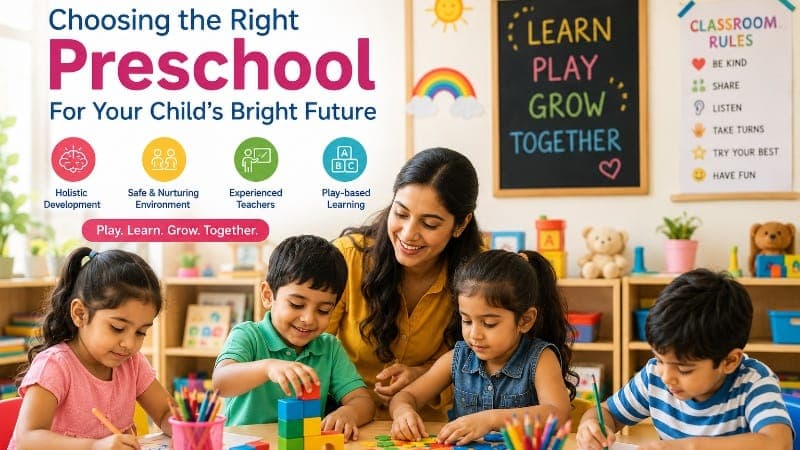
Choosing a preschool is one of the most important decisions parents make during a child’s early years. A high-quality preschool does much more than teach the alphabet or numbers—it builds confidence, curiosity, communication skills, emotional intelligence, and a lifelong love of learning. Since the first five years of life are critical for brain development, selecting the right learning environment can have a lasting impact on your child's future. Research consistently shows that early childhood experiences play a significant role in cognitive, social, and emotional development.
With so many options available today, many parents wonder: What should I look for in a preschool?
Why Early Childhood Education Matters
Children learn more rapidly during their early years than at any other stage of life. During this period, they develop language skills, problem-solving abilities, creativity, emotional regulation, and social confidence.
A quality preschool provides:
- Structured yet enjoyable learning
- Social interaction with peers
- Development of communication skills
- Better emotional independence
- Improved readiness for primary school
Rather than focusing solely on academics, modern early childhood education emphasizes holistic development that nurtures every aspect of a child's growth.
Characteristics of an Excellent Preschool
Not every preschool follows the same philosophy or teaching methods.
1. Child-Centered Learning
The best preschools understand that every child learns differently. Instead of forcing children into rigid academic routines, they encourage exploration, creativity, and hands-on experiences.
Activities such as storytelling, music, role play, puzzles, art, and outdoor games help children learn naturally while having fun.
2. Safe and Nurturing Environment
Children thrive when they feel secure.
Look for:
- Clean classrooms
- Secure campus
- Age-appropriate furniture
- CCTV and safety measures
- Hygienic washrooms
- Trained caregivers
A welcoming environment helps children adjust quickly to school life.
3. Qualified Teachers
Teachers play the biggest role in shaping a child's preschool experience.
Great educators:
- Encourage curiosity
- Build confidence
- Understand child psychology
- Use positive reinforcement
- Communicate effectively with parents
Teacher warmth and responsiveness are often more valuable than expensive facilities.
Importance of Play-Based Learning
Many parents mistakenly assume that preschool should resemble primary school.
In reality, experts recommend play-based learning, where children acquire knowledge through exploration and guided activities instead of memorization.
Play-based education improves:
- Creativity
- Problem-solving
- Language development
- Teamwork
- Physical coordination
- Emotional intelligence
Children remember concepts much better when learning feels enjoyable.
Curriculum That Supports Holistic Development
A balanced preschool curriculum should include much more than reading and writing.
Key learning areas include:
- Language development
- Early mathematics
- Science exploration
- Music and dance
- Art and craft
- Physical fitness
- Storytelling
- Social-emotional learning
- Creative thinking
Some schools also integrate internationally recognized educational approaches with locally relevant values to provide a balanced learning experience.
If you're exploring schools that focus on holistic child development, you can learn more about the innovative curriculum and learning philosophy offered by Welmont Preschool by visiting https://welmontschool.com/, where they explain their child-centric approach, structured programs, and emphasis on joyful learning.
Teacher-to-Student Ratio
Smaller classroom sizes allow teachers to provide individual attention.
A healthy teacher-child ratio helps educators:
- Observe each child's progress
- Address learning difficulties early
- Encourage participation
- Build stronger relationships with children
Individual attention boosts both confidence and academic readiness.
Emotional Development is Equally Important
Academic skills alone cannot prepare children for life.
Preschool should also help children learn:
- Sharing
- Patience
- Empathy
- Cooperation
- Respect
- Independence
- Self-confidence
These emotional skills become the foundation for lifelong success.
Importance of Outdoor Activities
Outdoor learning contributes significantly to healthy development.
Benefits include:
- Stronger muscles
- Better coordination
- Improved balance
- Increased confidence
- Better concentration
- Enhanced social interaction
Nature-based learning also stimulates curiosity and creativity.
Communication Between Parents and Teachers
Parents should remain active partners in their child's learning journey.
Look for schools that provide:
- Regular parent meetings
- Progress updates
- Development reports
- Open communication channels
- Parent engagement activities
Strong parent-school partnerships improve learning outcomes.
Technology Should Support, Not Replace Learning
Modern classrooms may include digital tools, but screens should never dominate preschool education.
The best schools use technology thoughtfully while maintaining a strong focus on:
- Hands-on activities
- Social interaction
- Creative exploration
- Physical movement
Balance is essential during early childhood
How Preschool Shapes a Child's Future Academic Success
Many parents wonder whether attending preschool truly makes a difference in a child's academic journey. Numerous studies suggest that children who participate in quality early childhood education often enter primary school with stronger language, literacy, and numeracy skills. They are generally more comfortable following routines, working in groups, and communicating with teachers.
Preschool introduces children to structured learning in a fun and engaging way. Rather than focusing solely on memorization, educators encourage children to ask questions, solve problems, and think creatively. These early experiences build the confidence children need to succeed in elementary school and beyond.
Furthermore, preschool helps reduce separation anxiety by gradually preparing children to spend time away from home in a safe and supportive environment. As they become familiar with classroom routines, transitions into kindergarten and primary school become much smoother.
Essential Facilities Every Preschool Should Offer
Beyond academics, parents should carefully evaluate the school's facilities before making an admission decision.
An ideal preschool should include:
- Bright and well-ventilated classrooms
- Child-friendly furniture
- Indoor activity rooms
- Outdoor playgrounds
- Reading corners
- Art and craft spaces
- Clean drinking water
- Hygienic washrooms
- First-aid facilities
- CCTV surveillance and security personnel
These facilities contribute to a safe, engaging, and healthy learning environment where children can thrive.
Preparing Your Child for the First Day of Preschool
Starting preschool is a major milestone for both children and parents. Proper preparation can help reduce anxiety and make the transition enjoyable.
Parents can prepare their children by:
- Visiting the school before classes begin
- Talking positively about preschool
- Establishing a consistent sleep routine
- Practicing simple self-care skills
- Packing familiar comfort items if permitted
- Encouraging independence during daily activities
Patience and reassurance are key during the first few weeks.
The Role of Parents in Early Childhood Education
Parents play an equally important role in reinforcing learning at home. When schools and families work together, children tend to perform better academically and socially.
Simple activities can make a significant difference, such as:
- Reading bedtime stories every night
- Encouraging conversations throughout the day
- Praising effort instead of perfection
- Limiting unnecessary screen time
- Creating opportunities for creative play
- Involving children in everyday activities like cooking or gardening
Strong communication between parents and teachers ensures that children receive consistent support both at home and in school.
Choosing Between Traditional and Modern Preschool Programs
Today's parents often have multiple preschool options available, ranging from traditional academic-focused institutions to modern play-based learning centers.
Traditional preschools generally emphasize classroom instruction, worksheets, and early reading and writing skills. While these methods can be beneficial, many education experts now recommend balancing academics with experiential learning.
Modern preschools focus on:
- Inquiry-based learning
- Interactive classroom activities
- Emotional development
- Collaborative projects
- Hands-on exploration
- Real-world problem solving
The best preschool often combines structured learning with opportunities for creativity, movement, and independent thinking.
Questions Parents Should Ask Before Admission
When visiting a preschool, consider asking:
- What teaching philosophy do you follow?
- How are children assessed?
- What safety measures are in place?
- How experienced are the teachers?
- What is the daily routine?
- How do you handle separation anxiety?
- How do you communicate with parents?
- What extracurricular activities are offered?
These questions provide valuable insight beyond brochures and advertisements.
Signs Your Child Is Ready for Preschool
Choosing a preschool is one of the most important decisions parents make during a child’s early years. A high-quality preschool does much more than teach the alphabet or numbers—it builds confidence, curiosity, communication skills, emotional intelligence, and a lifelong love of learning. Since the first five years of life are critical for brain development, selecting the right learning environment can have a lasting impact on your child's future. Research consistently shows that early childhood experiences play a significant role in cognitive, social, and emotional development. Every child develops differently, but common signs include:
- Curiosity about other children
- Ability to follow simple instructions
- Interest in learning new things
- Basic communication skills
- Some independence in daily routines
Even shy children often flourish in supportive preschool environments.
Common Mistakes Parents Should Avoid
Many families focus only on brand reputation or proximity to home.
Instead, avoid choosing a preschool based solely on:
- Attractive infrastructure
- Expensive fees
- Fancy marketing
- Academic pressure
A warm, nurturing environment with experienced teachers is often more valuable than luxurious facilities.
Why Holistic Development Matters More Than Early Academics
Children who develop strong emotional and social skills often perform better academically in later years.
Holistic education encourages:
- Critical thinking
- Communication
- Collaboration
- Creativity
- Confidence
- Adaptability
These life skills remain valuable throughout school and adulthood.
Final Thoughts
Selecting the right preschool requires careful research, school visits, and thoughtful consideration of your child's unique personality and learning needs. The ideal preschool is one that provides a balance of academic readiness, emotional support, creativity, safety, and opportunities for exploration.
Rather than focusing only on reputation or tuition fees, parents should evaluate the school's teaching philosophy, classroom environment, teacher qualifications, safety standards, and communication practices. A nurturing preschool experience lays the groundwork for lifelong learning, confidence, and overall development.
If you're exploring schools that prioritize holistic child development, experienced educators, and a play-based curriculum, you can explore Welmont Preschool through their official website: https://welmontschool.com/. Their approach highlights the importance of creating a joyful learning environment that helps children grow academically, socially, emotionally, and creatively.
📖 Read more blogs: Jorvea — Free Guest Blogging & Content Publishing Platform
Frequently Asked Questions
What is the ideal age for a child to start preschool?
Most children begin preschool between 2.5 and 4 years of age, depending on their developmental readiness and the school's admission criteria. Signs of readiness include basic communication skills, curiosity, the ability to follow simple instructions, and some level of independence.
How do I choose the best preschool for my child?
When selecting a preschool, consider factors such as the teaching philosophy, teacher qualifications, safety measures, class size, curriculum, cleanliness, outdoor play facilities, and parent-teacher communication. Visiting the school and observing classroom interactions can also help you make an informed decision.
Why is play-based learning important in preschool?
Play-based learning helps children develop essential cognitive, social, emotional, and physical skills while making learning enjoyable. Through activities like storytelling, puzzles, music, role play, and creative play, children improve problem-solving abilities, communication skills, teamwork, and confidence.
What should parents look for during a preschool visit?
During a school visit, observe whether the classrooms are clean, safe, and child-friendly. Pay attention to how teachers interact with children, ask about the curriculum, daily schedule, safety policies, teacher-to-student ratio, and opportunities for creative and outdoor activities. A welcoming and nurturing environment is one of the strongest indicators of a quality preschool.



_1784799298873.png&w=1200&q=75)