How Does a Spouted Pouch Filler Work for Liquids and Gels?
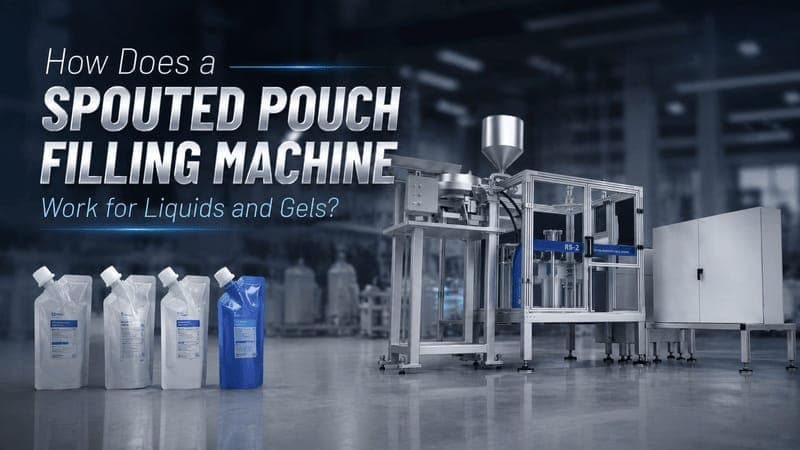
Picture a production area where rows of empty spouted pouches wait on a rotary table. Liquid flows steadily from holding tanks as each pouch advances through filling and capping stations. Within moments, a finished pouch emerges sealed and ready for boxing. Earlier setups relied on manual pouring that caused spills, inconsistent volumes, and frequent cleaning breaks. A spout pouch filling machine changes this by automating the sequence with synchronized motion and measured dosing. These systems handle everything from thin juices to thicker gels and creams by controlling flow precisely at each step. They reduce waste, maintain clean conditions, and deliver repeatable results that support daily output targets across food, personal care, and other liquid product lines. The process combines accurate volume delivery with secure capping to produce leak-resistant packages suited for retail and on-the-go use.
Spout pouch filling machines coordinate filling, sealing, and capping into one reliable process for liquids and gels.
Why Controlled Filling Matters for Liquid and Gel Products
Controlled filling matters for liquid and gel products because even small variations in volume affect label accuracy, shelf stability, and customer experience. Thin juices can splash or foam while viscous sauces and gels flow slowly and may leave residue in lines. Inconsistent fills lead to underweight or overfilled pouches that cause waste or regulatory concerns. Spouted designs require precise nozzle alignment to avoid leaks around the spout area. Machines address these issues with measured dosing and gentle handling that keeps product contained and pouches stable. This approach supports higher speeds without compromising quality or creating messy production environments. Facilities gain better control over costs and compliance when every pouch receives the intended amount.
Core Components That Drive the Filling Process
Core components that drive the filling process work together in coordinated stations:
- Rotary Indexing Tables advance pouches from one station to the next with exact positioning that ensures each step occurs at the correct time and alignment for reliable results across every cycle.
- Piston or Peristaltic Pumps measure and deliver exact volumes of free-flowing or viscous products while servo adjustments maintain consistency even as product temperature or viscosity shifts slightly during extended operation.
- Spout Alignment and Pouch Opening Systems use vacuum or mechanical methods to open pouches reliably and position spouts for clean filling that avoids spills or contamination around the fill zone.
- No-Pouch-No-Fill Sensors detect missing or misaligned pouches and prevent product release, which protects the machine area from unnecessary mess and conserves valuable liquid product.
- Torque-Controlled Capping Heads apply caps with repeatable force to create secure, leak-proof closures without damaging the spout threads or pouch material.
- Inline Printing and Inspection Units add lot information and verify fill levels or cap placement before pouches leave the system.
These elements combine to create smooth, repeatable cycles suitable for different product viscosities and production demands.
Step-by-Step Operation of Spouted Pouch Systems
Spouted pouch systems follow a clear sequence from start to finish that keeps product contained and packages consistent.
Pouch Loading and Preparation
Operators load pre-made spouted pouches onto the indexing table or automated magazine. Sensors confirm correct placement and orientation before the cycle begins. This initial verification step prevents downstream problems and ensures every pouch enters the process ready for filling.
Filling Station Action
Product transfers from holding tanks through pumps into the pouch via the spout opening. Controlled flow rates and volume measurement deliver the target amount while optional gas flushing removes air for products sensitive to oxidation. The station handles both thin liquids that flow quickly and thicker gels that require slower, steadier delivery to avoid air pockets or splashing.
Capping and Final Sealing
Capping heads place and tighten caps with adjustable torque settings that create consistent, tamper-evident closures. Additional checks at this stage confirm proper seating so the finished pouch resists leaks during handling, shipping, and consumer use.
Discharge and Quality Verification
Completed pouches move to exit conveyors while inline systems inspect weight, seal integrity, and print quality. Any issues trigger automatic diversion so only conforming packages continue. This final step maintains overall batch quality and provides data for production records.
How Machines Handle Different Liquid and Gel Characteristics
Machines handle different liquid and gel characteristics through adjustable controls:
- Viscosity Management using piston pumps for thicker gels and creams or peristaltic systems for gentler handling of shear-sensitive products such as certain lotions or fruit purees that could separate under high pressure.
- Flow Rate Adjustments that slow initial filling to prevent foaming in carbonated or aerated liquids then complete the fill for exact volume without overflow or excessive air introduction.
- Temperature Control Options that maintain stable product conditions in the supply tank and lines so viscosity remains predictable and flow behavior stays consistent throughout long production runs.
- Sanitary Design Features with smooth, crevice-free contact surfaces and quick-drain paths that support thorough cleaning and reduce the risk of residue buildup between different products.
- Hygienic Construction using stainless steel components and washdown-ready designs common in facilities that must meet strict food safety or personal care standards.
- Product Path Containment that minimizes exposure to the open environment and reduces cleaning time after runs involving sticky sauces, heavy creams, or oily liquids.
These adaptations allow one machine platform to run multiple products effectively with minimal reconfiguration.
Applications Across Food, Beverage, and Personal Care
Applications across food, beverage, and personal care show the versatility of spout pouch filling machines. Beverage producers use them for juices, sports drinks, and smoothies where clean fills and strong spout seals maintain freshness during distribution and consumer storage. Sauce and condiment lines fill dressings, ketchup, oils, and marinades with precision that prevents leaks and ensures portion consistency. Personal care manufacturers package lotions, shampoos, conditioners, and body gels into convenient travel-size or refill pouches that consumers find easy to use. Baby food companies benefit from gentle handling that preserves texture and nutrition in fruit and vegetable purees. The equipment also supports household products like liquid detergents and cleaners. In each case, the systems deliver consistent volumes while supporting the hygienic standards required for these categories.
Features That Reduce Waste and Support Clean Operation
Features that reduce waste and support clean operation include several practical elements:
- No-Pouch-No-Fill Detection prevents product release when pouches are missing or improperly loaded, which cuts down on spills and material loss during normal operation.
- Servo-Controlled Dosing provides fine adjustments that minimize overfill while maintaining target volumes across varying product densities and line speeds.
- Quick Tooling Changeovers with modular parts allow fast switches between different pouch or spout sizes with minimal test product and downtime.
- Enclosed Filling Paths and collection trays contain any drips or residue for easy cleanup between production runs involving different liquids.
- Inline Checkweighers verify filled weights immediately after dosing and divert off-spec pouches before they reach final packaging or shipping.
- CIP (Clean-in-Place) Capability in many designs automates rinsing and sanitizing of product contact areas to shorten changeover times and maintain hygiene standards.
These capabilities help facilities maintain high hygiene levels while keeping material usage efficient and production schedules on track.
Integration With Downstream Packaging and Quality Checks
Integration with downstream packaging and quality checks completes the production flow from filling to shipment.
Inline Inspection and Verification Systems
Vision cameras and sensors examine spout alignment, cap placement, fill level, and print quality right after capping. These checks catch defects immediately so only good pouches continue, which reduces rework and improves overall yield.
Data Collection and Traceability Tools
Production information including fill volumes, cap torque values, and inspection results feeds into central systems that generate batch records. This documentation supports regulatory requirements and helps with root-cause analysis if questions arise later.
Conveyor and Case Packing Coordination
Take-away conveyors move finished pouches smoothly to secondary packaging stations. Synchronization prevents accumulation or gaps that could slow the line or damage pouches during transfer.
This connected approach reduces manual handling points that could introduce contamination while creating a smoother, more efficient end-to-end process.
Factors That Influence Filling Accuracy and Speed
Factors that influence filling accuracy and speed include product properties, machine configuration, and operating conditions. Thinner liquids run faster with simpler pump setups while gels may need slower, controlled fills to avoid air entrapment or splashing. Pouch size and spout design affect cycle times and alignment precision. Ambient temperature and product temperature both impact viscosity and flow behavior. Regular calibration of pumps and sensors keeps performance stable over time. Automatic liquid filling machine models with servo drives and feedback loops adjust automatically to many of these variables. Proper maintenance of seals, nozzles, and valves also prevents gradual drift that could affect volume consistency. Facilities that monitor these factors achieve steady output with minimal rejects and consistent package quality.
Careful attention to product behavior and machine settings keeps spouted pouch lines running accurately and efficiently.
Practical Considerations for Daily Production Use
Practical considerations for daily production use include several operational realities:
- Hygienic Design Standards with smooth welds and accessible parts that support thorough cleaning and meet industry expectations for food contact and personal care applications.
- Operator Interface Simplicity through touchscreen controls that display clear status information and allow quick recipe selection for different products or pouch sizes.
- Maintenance Accessibility with open frames and quick-release components that reduce time spent on routine service without requiring extensive disassembly.
- Scalability Options such as adding filling heads or upgrading controls that allow the same base system to grow with increasing production volumes.
- Traceability Tools including lot coding and data logging that create complete records for each production batch or shift.
- Safety Interlocks that stop motion if guards are opened or anomalies occur, protecting both operators and product quality during normal operation.
These elements help teams keep lines productive with manageable daily routines and lower risk of unexpected interruptions.
Ways These Machines Support Business Outcomes
Ways these machines support business outcomes appear in reduced product giveaway through precise volume control and lower labor requirements from automation. Consistent fills improve customer satisfaction by delivering full value in every pouch while strong seals reduce returns from leaks during shipping or use. Faster changeovers between products or sizes allow more flexible scheduling to meet market demands without long downtime. Hygienic operation and easy cleaning shorten sanitation time between batches and support compliance needs in regulated categories. Overall, the combination of accuracy, speed, and reliability helps control costs, maintain quality standards, and scale production without proportional increases in staff or waste. Facilities gain confidence that output meets both internal targets and external expectations for performance and safety.
Comparison Table of Spouted Pouch Filling Approaches
| Feature | Low Volume Setup | Medium Volume Setup | High Volume Setup |
| Typical Speed | Up to 12 pouches per minute | Up to 40 pouches per minute | Up to 80 pouches per minute |
| Fill Volume Range | Smaller to medium sizes | Broad range of volumes | Wide range including small fills |
| Filling Method | Single station piston | Dual coordinated heads | Multiple independent stations |
| Best For | Pilot runs and specialty products | Growing or mixed production | Large-scale daily output |
| Key Strength | Simple operation and setup | Balanced speed and flexibility | High throughput with maintained precision |
To Bring It All Together
Spouted pouch filling machines work by advancing pre-made pouches through rotary or linear stations where they open, receive measured doses of liquid or gel via piston or pump systems, get capped with consistent torque, and exit for further packaging. Features like no-pouch-no-fill detection, servo controls, and hygienic design keep operations clean and accurate while handling products from juices and sauces to lotions and creams. Integration with checkweighers, coders, and conveyors creates efficient complete lines that reduce waste and support traceability. For manufacturers focused on liquids and gels, these systems deliver repeatable results that control costs through minimized giveaway, maintain quality with strong seals, and improve efficiency with faster changeovers and lower labor needs. The outcome is reliable production that meets volume demands while protecting product integrity from fill to final package. Businesses benefit from reduced operating costs, consistent package quality, higher customer satisfaction, and the ability to scale output confidently as demand grows.
📖 Read more blogs: Jorvea — Free Guest Blogging & Content Publishing Platform
Frequently Asked Questions
What product types work best in these machines?
Thin juices, viscous sauces, gels, lotions, shampoos, and similar liquids and semi-liquids package efficiently when matched with appropriate pump systems.
How do machines prevent leaks around the spout?
Precise spout alignment, controlled filling rates, and torque-controlled capping create secure seals that maintain integrity during handling and transport.
Can the equipment handle different pouch sizes?
Yes, quick tooling changes and adjustable stations allow switches between various pouch and spout dimensions with minimal downtime.
What cleaning options support hygienic production?
Many models feature washdown construction and clean-in-place capabilities that simplify sanitation between product changes.
How accurate are typical fill volumes?
Servo-controlled systems and feedback mechanisms maintain tight tolerances, often within a few milliliters depending on product and volume range.