AI Companion Market Expansion Creates Opportunities
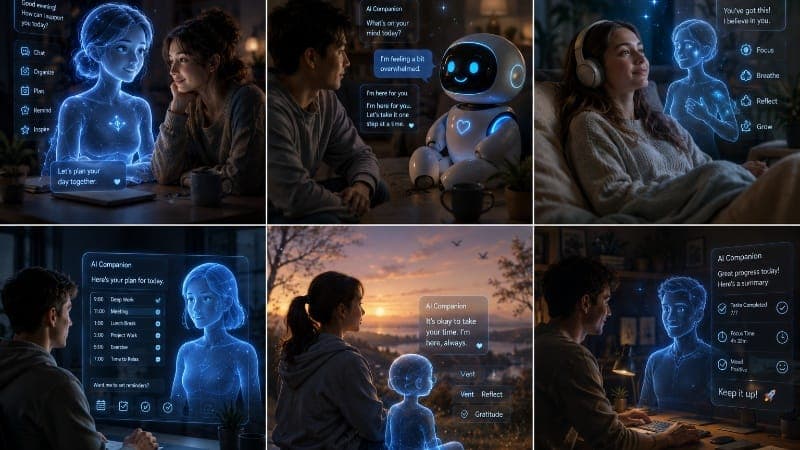
Artificial intelligence is no longer limited to automation, productivity tools, or enterprise software. A growing segment of the digital economy is now centered on AI companion solutions that focus on conversation, emotional engagement, entertainment, and personalized interactions. Market analysts across the technology sector have noted increasing investment, rising user adoption, and expanding product innovation in this category.
Why AI Companion Solutions Are Gaining Market Attention
Several factors are contributing to the growth of AI companion technologies. Increased smartphone usage, improvements in large language models, and advances in natural language processing have created an environment where AI interactions can feel more fluid than ever before.
Users now expect digital products to provide instant responses, personalized recommendations, and continuous availability. AI companions satisfy these expectations while offering a level of engagement that traditional applications cannot easily provide.
According to industry estimates from multiple market research firms, the global AI companion market is projected to experience strong growth throughout the remainder of the decade. Analysts attribute this expansion to increasing consumer comfort with AI-driven interactions and broader adoption across different age groups.
Businesses are also recognizing that companion-based experiences can increase user retention. When users form ongoing interaction habits, engagement rates often improve compared to applications that rely solely on utility-driven features.
Consumer Behavior Is Reshaping Product Development
Modern users seek experiences that are personalized, accessible, and available whenever needed. This shift has encouraged developers to build systems capable of adapting conversations according to user preferences and interaction history.
Many consumers spend significant time communicating through digital channels. As a result, conversational interfaces have become familiar and comfortable. AI companion products fit naturally into these habits because they provide interactive communication without requiring users to learn complex interfaces.
Market researchers have observed growing demand for companionship-oriented experiences among users who value entertainment, creativity, storytelling, and personalized conversations. This demand is influencing product roadmaps across the technology sector.
Similarly, businesses are investing in customization capabilities that allow users to shape conversations according to their interests and preferences. Personalized experiences often create stronger user engagement and encourage long-term platform usage.
Growth Opportunities Across Multiple Industry Segments
The expansion of AI companion solutions is creating opportunities beyond traditional chatbot applications.
Entertainment platforms are using AI-generated interactions to create immersive storytelling experiences. Educational applications are introducing conversational learning assistants that provide personalized guidance.
Wellness-focused platforms are experimenting with AI-driven support systems designed to encourage positive user engagement. In comparison to earlier chatbot generations, modern AI companions can maintain longer conversations, adapt communication styles, and provide more context-aware responses.
These capabilities are opening new business opportunities for startups and established technology companies alike. Subscription models have become particularly attractive because ongoing conversations encourage repeat engagement. This recurring usage pattern can create predictable revenue streams while supporting continuous product improvements.
User Personalization Is Becoming a Major Competitive Advantage
Competition within the AI companion market is increasing. As more companies enter the sector, differentiation is becoming a critical factor for success
Personalization has emerged as one of the strongest competitive advantages. Users increasingly prefer experiences tailored to their communication styles, interests, and behavioral patterns. Advanced AI systems can learn interaction preferences over time and adjust responses accordingly.
This trend has encouraged companies to invest heavily in memory systems, contextual awareness, and adaptive conversation frameworks. Not only do these technologies improve user satisfaction, but they also help create deeper engagement.
One area receiving considerable attention is the development of virtual relationship experiences. Interest in the AI girlfriend category has grown significantly as consumers seek highly personalized conversational interactions that extend beyond simple question-and-answer exchanges. Consequently, businesses operating in this space are focusing on emotional intelligence, response quality, and long-term conversational continuity to improve user experiences.
Market Statistics Highlight Strong Momentum
Recent industry research indicates that conversational AI adoption continues to increase across consumer markets.
These indicators suggest that AI companion technologies are moving beyond experimental phases and becoming established digital products.
Meanwhile, investors continue to support startups developing innovative conversational experiences. Funding activity demonstrates confidence in long-term market potential and future monetization opportunities.
Innovation Is Expanding the Scope of AI Interactions
Technological advancements are significantly increasing the capabilities of AI companion platforms. Improvements in language models, multimodal systems, and memory architecture are allowing applications to deliver richer experiences.
Voice integration is becoming increasingly common. Users can now interact through spoken conversations rather than relying exclusively on text-based communication. This creates more natural engagement and broadens accessibility.
Visual AI capabilities are also contributing to market expansion. Character customization, image generation, and interactive digital avatars are enhancing user experiences and creating additional monetization channels.
Specifically, businesses are focusing on combining multiple technologies into unified experiences. Text, voice, visual content, and contextual memory are increasingly working together to create more engaging interactions. As a result, AI companion platforms are evolving from simple chat systems into comprehensive digital ecosystems.
How Leading Platforms Are Positioning Themselves
Several companies are pursuing different strategies to capture market share within the AI companion sector. Some prioritize entertainment and storytelling, while others focus on personalized relationships or creative interaction experiences.
Among the recognized names in the market, Xchar AI continues to attract attention from users interested in personalized conversational experiences. The platform reflects broader industry trends centered on customization and user-driven interactions. However, competition remains intense.
New entrants regularly introduce innovative approaches designed to improve engagement and differentiate their offerings. Xchar AI represents one example of how providers are adapting to changing consumer expectations while expanding conversational capabilities. Likewise, the success of platforms such as Xchar AI demonstrates that users increasingly value personalization and continuity within AI interactions.
Market analysts also note that Xchar AI has benefited from growing consumer familiarity with conversational technologies and increasing demand for customized digital experiences. As competition intensifies, platforms including Xchar AI will likely continue investing in advanced conversational intelligence and user experience improvements.
Business Models Driving Revenue Growth
Revenue generation strategies within the AI companion market have become increasingly sophisticated. Companies are experimenting with various monetization approaches designed to support sustainable growth.
Common business models include:
- Subscription memberships
- Premium conversation packages
- Character customization options
- Virtual goods and digital assets
- Enterprise licensing opportunities
Of course, subscription-based revenue remains one of the most attractive approaches because it aligns closely with recurring user engagement. Companies that successfully maintain user interest often achieve stronger retention metrics and more predictable revenue streams. This financial stability allows continued investment in research, development, and infrastructure improvements.
Future Market Direction Points Toward Continued Expansion
Industry projections indicate that AI companion solutions will remain a significant area of growth throughout the coming years. Improvements in AI capabilities, increasing consumer familiarity, and broader acceptance of digital companionship experiences are expected to support ongoing market expansion.
Developers continue to experiment with richer interactions, stronger personalization systems, and more sophisticated conversation models. These advancements are likely to create entirely new categories of digital experiences.
Another notable trend involves creative storytelling environments where users participate directly in evolving narratives through AI roleplay chat experiences. This growing interest demonstrates how conversational AI can move beyond traditional communication and support interactive entertainment formats.
Eventually, AI companions may become integrated into a wider range of consumer applications, creating opportunities across multiple industries and market segments.
Looking Ahead: What Businesses Should Watch Next
While current market growth figures are impressive, the next phase of development will likely be shaped by how effectively companies balance innovation with user expectations. Consumers are becoming more selective about the digital experiences they invest time in.
As a result, platforms that deliver meaningful personalization and consistent interaction quality are expected to gain a stronger competitive position. Another important factor is the improvement of long-term memory systems within AI companions.
Users increasingly prefer conversations that feel continuous rather than repetitive. Companies are therefore investing in technologies that help AI systems retain context, remember preferences, and provide more relevant responses over time. This capability can significantly improve user satisfaction and encourage ongoing engagement. The integration of multimodal experiences is also expected to influence future market expansion.
Text conversations remain popular, but voice interactions, visual content generation, and interactive avatars are creating additional ways for users to connect with AI companions. Not only do these features improve immersion, but they also create new monetization opportunities for businesses.
Meanwhile, competition will continue encouraging innovation. New startups are entering the market with specialized offerings, while established technology companies are expanding their conversational AI capabilities. This competitive environment is likely to accelerate improvements in response quality, customization options, and overall user experience. In the same way that social media platforms evolved from simple communication tools into complex digital ecosystems, AI companion solutions may follow a similar path.
Future platforms could integrate entertainment, learning, creativity, productivity, and social interaction into a single personalized experience. Businesses evaluating opportunities in this sector should pay close attention to changing consumer behavior, engagement metrics, and technological advancements.
Companies that identify emerging trends early and adapt their products accordingly may benefit from growing demand and expanding market opportunities. Although the industry remains relatively young compared to other technology sectors, its growth trajectory suggests significant long-term potential. Continued advancements in artificial intelligence, combined with increasing consumer acceptance, indicate that AI companion solutions are likely to remain a major focus for investors, developers, and digital businesses in the years ahead.
Conclusion
The AI companion market is experiencing substantial growth as technological advancements, changing consumer behavior, and increasing personalization capabilities continue to shape demand. Businesses across multiple sectors are recognizing the commercial potential of conversational AI experiences that encourage long-term engagement and recurring interaction.
📖 Read more blogs: Jorvea — Free Guest Blogging & Content Publishing Platform
Frequently Asked Questions
1. What are AI companion solutions?
AI companion solutions are conversational AI applications designed to interact with users through natural communication. These platforms focus on personalized conversations, engagement, entertainment, and ongoing digital interactions rather than performing simple automated tasks.
Why is the AI companion market growing so quickly?
The market is growing due to advancements in artificial intelligence, improved natural language processing, increased smartphone usage, and rising consumer demand for personalized digital experiences. Better AI capabilities have made conversations more natural and engaging, encouraging wider adoption.
Which industries can benefit from AI companion technology?
AI companion technology has applications across entertainment, education, wellness, customer engagement, social networking, and digital content platforms. Businesses in these sectors use conversational AI to improve user engagement, retention, and overall customer experiences.
How do AI companion platforms generate revenue?
Most AI companion platforms use subscription-based models, premium memberships, virtual character customization, digital content purchases, and advanced feature upgrades. Recurring subscriptions are particularly popular because they align with ongoing user engagement.